
Fluffy Fast Appam: Your New Go-To Healthy Indian Breakfast Recipe
I still remember the first time I tried to make Appam. It was a Saturday morning, years ago, and I was feeling ambitious after watching a cooking show. My kitchen turned into a flour-dusted battlefield, and the first few attempts looked more like deflated pancakes than the beautiful, lacy bowls I craved. But oh, the smell! That unique aroma of coconut and fermenting batter was enough to keep me going. Fast forward to today, and I’ve cracked the code on making them fast and fluffy, without sacrificing that authentic taste. This recipe for Fast Appam Indian Recipes | Healthy Breakfast has become a true family favorite, a guaranteed hit for an easy breakfast or even a light dinner. It’s comforting, incredibly versatile, and surprisingly nutritious!
There’s something magical about Appam. These delicate, bowl-shaped pancakes, with their crisp, lacy edges and soft, fluffy centers, transport you straight to the heart of South India. Traditionally, they require overnight fermentation, but who has that kind of time on a busy weekday morning or when a craving hits now? My tested and perfected recipe cuts down on the waiting, giving you those delicious results in a fraction of the time. Get ready to elevate your breakfast game!
This isn’t just a recipe; it’s an invitation to bring the warmth and flavor of Indian cuisine into your home with minimal effort. Whether you’re a seasoned chef or a kitchen novice, you’ll find this Fast Appam recipe surprisingly simple to master, yielding perfect results every single time. It’s a nutritious meal that truly feels like a treat, making it ideal for starting your day right or enjoying as a light and wholesome evening meal. Let’s get cooking!
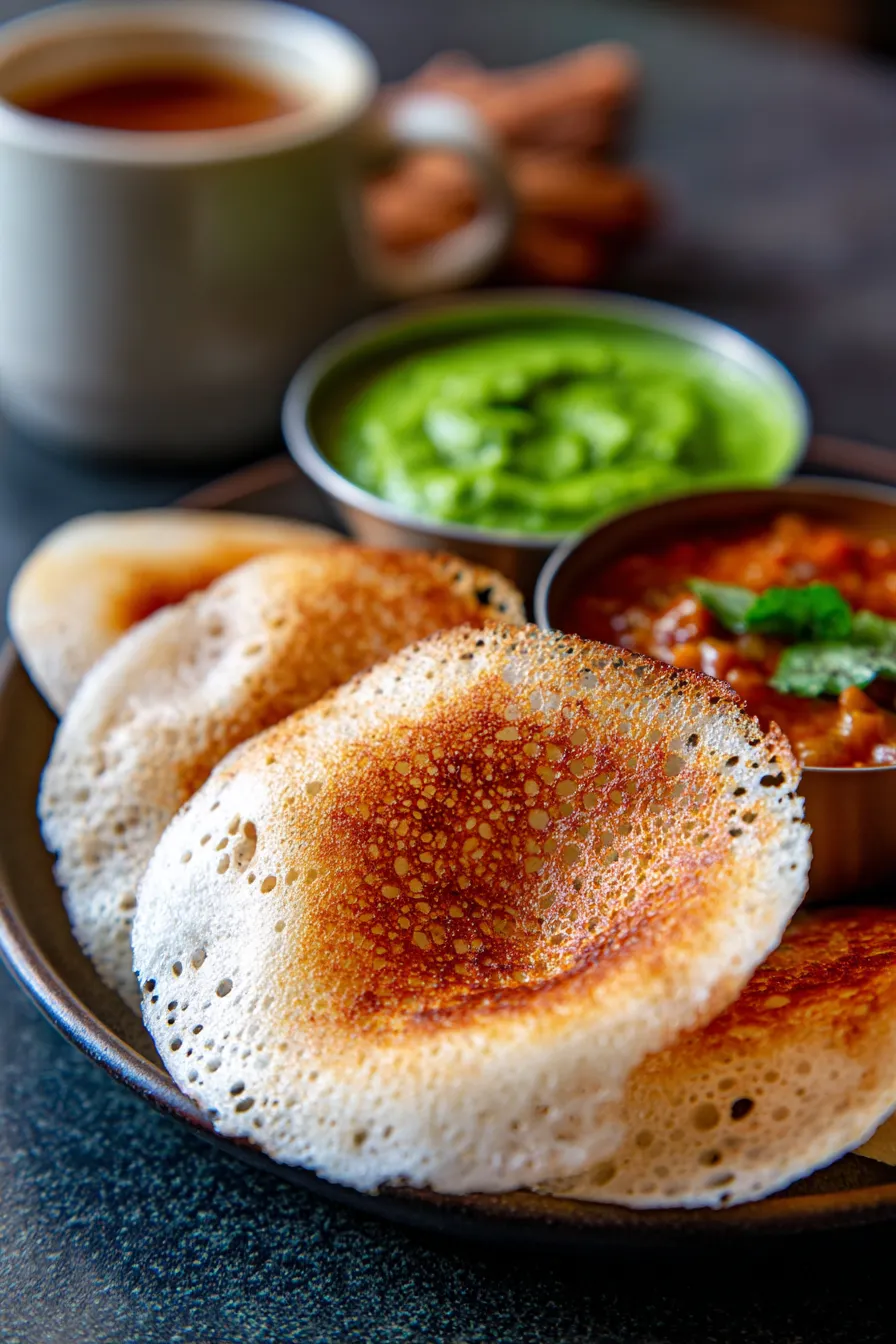
Why You’ll Love This Recipe
- ❤️ Lightning-Fast Prep: Forget overnight fermentation! Our quick method gets you from craving to serving in no time, making it perfect for busy mornings or spontaneous brunches. You’ll be amazed at how quickly these come together.
- ❤️ Healthy & Wholesome: Made with a base of rice flour and coconut milk, Appam is naturally gluten-free (if using pure rice flour) and a fantastic source of energy. It’s a lighter alternative to many heavier breakfast options, leaving you feeling satisfied and energized without the heavy feeling.
- ❤️ Incredibly Versatile: Appam is a blank canvas! Pair it with anything from spicy coconut chutney and vegetable stew to a simple drizzle of honey or a sprinkle of fresh fruit. It’s equally delicious with sweet or savory accompaniments, catering to everyone’s palate.
- ❤️ Crispy Edges, Fluffy Centers: The signature texture of Appam is what makes it so irresistible. Achieve those beautiful, lacy, golden-brown edges that gently crisp up, giving way to a soft, airy, and spongy center – a true delight in every bite. It’s a textural masterpiece!
- ❤️ Family-Friendly Appeal: Kids and adults alike adore Appam! It’s fun to eat, mild in flavor, and perfect for dipping. Get the whole family involved in preparing and customizing their own Appam plates, making mealtime an enjoyable and interactive experience for all.
- ❤️ Naturally Gluten-Free & Dairy-Free: For those with dietary restrictions, this recipe is a dream come true. With rice flour and coconut milk as its base, Appam offers a delicious option that many can enjoy without worry. Always double-check your ingredients, of course!
- ❤️ Budget-Friendly Ingredients: You don’t need exotic ingredients to make Appam. Most of what you need are pantry staples, making this a cost-effective way to enjoy a delicious and authentic South Indian dish right at home. Simple ingredients, extraordinary flavor!
What You Need
You only need a few simple pantry staples for this recipe! Check the full printable recipe card below for detailed measurements. You might already have most of these ingredients on hand, making this a truly accessible dish to whip up whenever the craving strikes for a healthy breakfast.
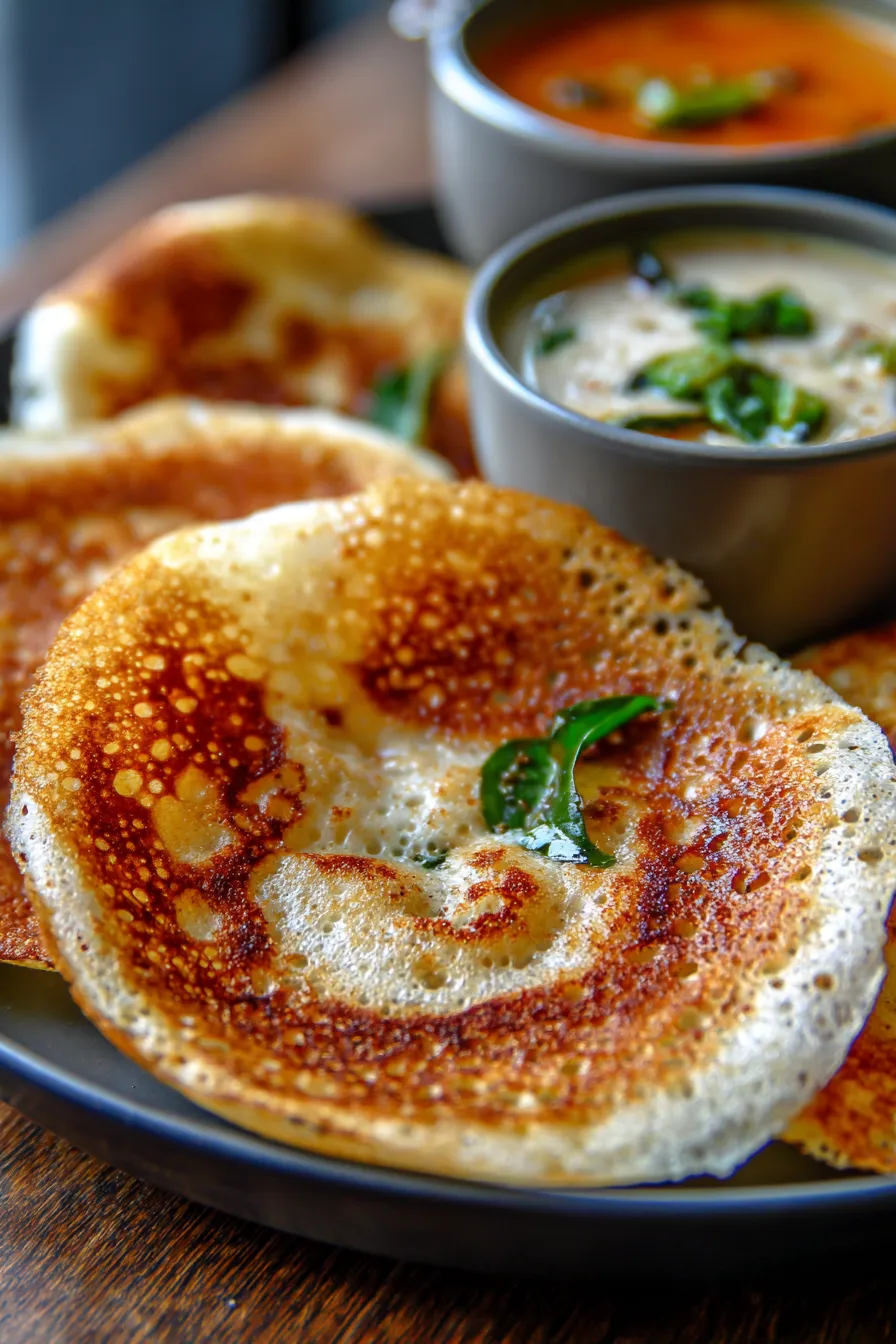
Expert Tips
- 💡 Achieving the Perfect Batter Consistency: The secret to fluffy Appam lies in the batter. It should be smooth and pourable, similar to a thin pancake batter, but not watery. If it’s too thick, your Appam will be dense; too thin, and they won’t form those lovely bowl shapes. Adjust with a tablespoon of water or rice flour until it drips smoothly from a spoon.
- 💡 The Right Pan Makes All the Difference: While a traditional Appam Kadai (pan) is ideal for those signature bowl shapes, a good quality non-stick pan with slightly curved edges can also work wonders. Just ensure it’s well-seasoned and heated properly. A cast-iron pan can also be used, but may require more oil.
- 💡 Heat Control is Key: Start with a medium-high heat to get the pan hot, then lower it slightly to medium once you pour the batter. This allows the edges to crisp up without burning while the center cooks through and becomes airy. A too-hot pan will burn the edges quickly, leaving a raw center.
- 💡 Swirling for Success: After pouring the batter, quickly swirl the pan in a circular motion to spread the batter thinly around the edges and create that characteristic lacy pattern. Don’t over-swirl, just enough to create the rim. This technique is crucial for the unique Appam texture.
- 💡 Cover and Cook: Covering the Appam as it cooks helps steam the center, ensuring it becomes soft and spongy. It also traps heat, allowing the yeast (or leavening agent) to work its magic more effectively. Look for small bubbles forming on the surface before covering.
- 💡 Don’t Overcrowd the Pan: Cook Appam one at a time, or two if your pan is large enough, to ensure even cooking and easy handling. Overcrowding can lower the pan temperature and result in unevenly cooked Appam.
- 💡 For Extra Crispiness: If you love extra crispy edges, try brushing a tiny bit of oil around the rim of the Appam just before covering. This helps achieve that beautiful golden-brown crispness that contrasts wonderfully with the soft center.
- 💡 Serving Suggestions: Appam is best served immediately, straight off the pan. Have your chutneys, stews, or sweet accompaniments ready. The warmth enhances their delicate flavor and texture. Don’t let them sit too long, or they might lose their crispness!
- 💡 Yeast Activation (if using): If your recipe calls for yeast, make sure it’s active! Mix it with a pinch of sugar and warm water (not hot!) and let it sit for 5-10 minutes until frothy. If it doesn’t foam, your yeast might be old, and your Appam won’t rise.
Variations & Substitutions
Want to get creative with your Appam? This recipe is incredibly adaptable!
- Vegan Appam: This recipe is naturally vegan if you use plant-based milk (like almond or oat milk in place of water for extra richness) and ensure your sugar is vegan-certified. For a traditional Appam without eggs (which most are), this swap is seamless.
- Gluten-Free Appam: Our recipe uses rice flour, making it inherently gluten-free! Just ensure you’re using 100% pure rice flour and check any other ingredients (like baking powder, if used) for gluten-free certification to avoid cross-contamination.
- Higher Protein: Blend in a tablespoon or two of roasted, unsalted urad dal (black gram lentils) powder into the dry ingredients for a subtle protein boost and a slightly different texture.
- Spiced Appam: For a savory twist, you can finely chop green chilies, curry leaves, and a pinch of grated ginger into the batter. This adds a wonderful aromatic kick that pairs beautifully with chutneys.
- Sweet Appam: For a dessert-like experience, increase the sugar slightly and add a dash of cardamom powder to the batter. Serve with grated coconut, jaggery syrup, or fresh fruit for a delightful treat.
- Different Flours: While rice flour is traditional, some quick versions might incorporate a small amount of all-purpose flour for binding. You can experiment with a tiny bit of whole wheat flour for added fiber, but be aware it might change the texture slightly.
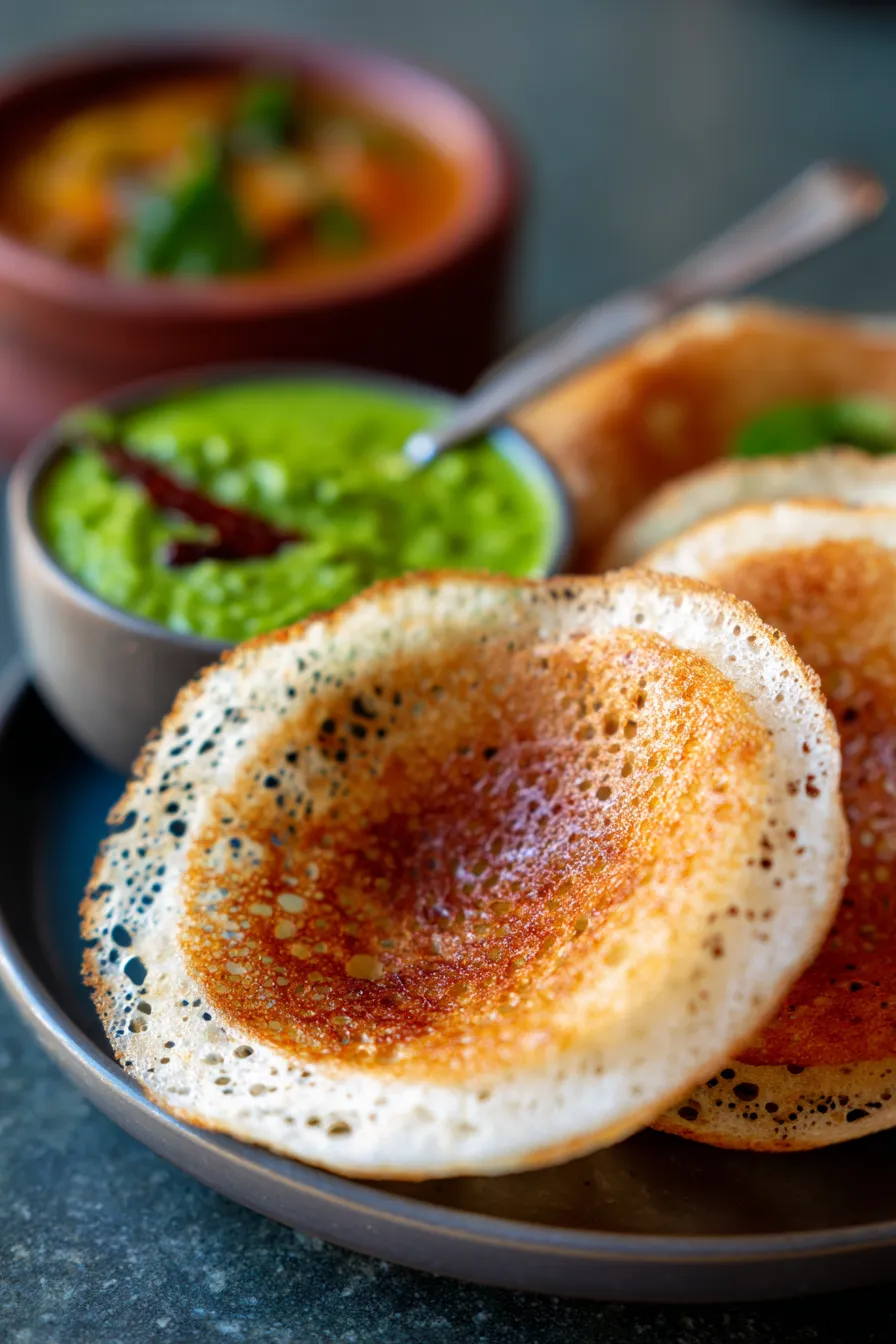
Storage & Freezing
Appam are truly best enjoyed fresh off the pan. However, if you have leftovers or want to prep ahead, here’s how to store them:
- Refrigeration: Allow cooked Appam to cool completely. Stack them with parchment paper in between to prevent sticking and place them in an airtight container. They will keep in the refrigerator for up to 2-3 days. Reheat gently in a lightly oiled pan or microwave until warm.
- Freezing: Freezing cooked Appam is possible, but they might lose some of their crispness upon reheating. To freeze, let them cool completely, then flash freeze them individually on a baking sheet until solid. Once frozen, transfer them to a freezer-safe bag or container, again with parchment paper between layers. They can be stored for up to 1 month. Thaw in the refrigerator overnight and reheat as desired.
- Batter Storage: The Appam batter can be stored in an airtight container in the refrigerator for up to 1-2 days. The fermentation might continue slowly, so it might become slightly tangier. Give it a gentle whisk before using, and if it seems too thick, thin it with a tablespoon of water.
FAQ
What is Appam?
Appam are delicate, lacy, bowl-shaped pancakes originating from South India and Sri Lanka. Made primarily from fermented rice flour and coconut milk, they have characteristic crispy edges and soft, fluffy centers. They are often served for breakfast or dinner with various sweet or savory accompaniments like coconut chutney, vegetable stew (ishtew), or even just sugar.
How do I get my Appam to be crispy around the edges?
The key to crispy edges is a well-heated pan and a quick swirl of the batter. Ensure your pan is hot enough when you pour the batter, then quickly tilt and rotate it to spread the thin layer around the edges. Covering the pan helps steam the center while the edges crisp up beautifully. You can also brush a tiny bit of oil around the rim before covering.
Can I make the Appam batter ahead of time?
Yes, you can! The prepared Appam batter can be stored in an airtight container in the refrigerator for 1 to 2 days. The flavors might develop a little more, and it might become slightly tangier due to continued fermentation. Always give it a good whisk before using and adjust consistency with a little water if needed.
What should I serve with Fast Appam?
Appam is incredibly versatile! For a classic South Indian experience, serve it with creamy Coconut Chutney, a flavorful Vegetable Stew (Ishtew), or a spicy Sambar. For a simpler meal, a sprinkle of sugar, a drizzle of honey, or fresh grated coconut works wonderfully. Some people even enjoy it with a fried egg nestled in the center!
Why are my Appam not rising/fluffy?
Several factors can affect the rise. If you’re using yeast, ensure it’s active. Warm (not hot) water is crucial for activating yeast. If using baking soda/powder, make sure they are fresh. Also, the batter consistency plays a role; if it’s too thick, it won’t rise well. Finally, ensure your pan is adequately heated and you cover the Appam while cooking to trap steam, which aids in fluffiness.
Conclusion
There you have it – your new favorite way to enjoy a delicious, healthy, and incredibly easy Fast Appam Indian Recipes | Healthy Breakfast! This recipe proves that you don’t need hours in the kitchen to enjoy authentic, flavorful cuisine. Whether it’s for a special brunch or a simple weeknight meal, these Appam are sure to bring smiles to faces around your table. Don’t forget to Pin this recipe for later! And if you make it, I’d love to see your creations. Happy cooking!
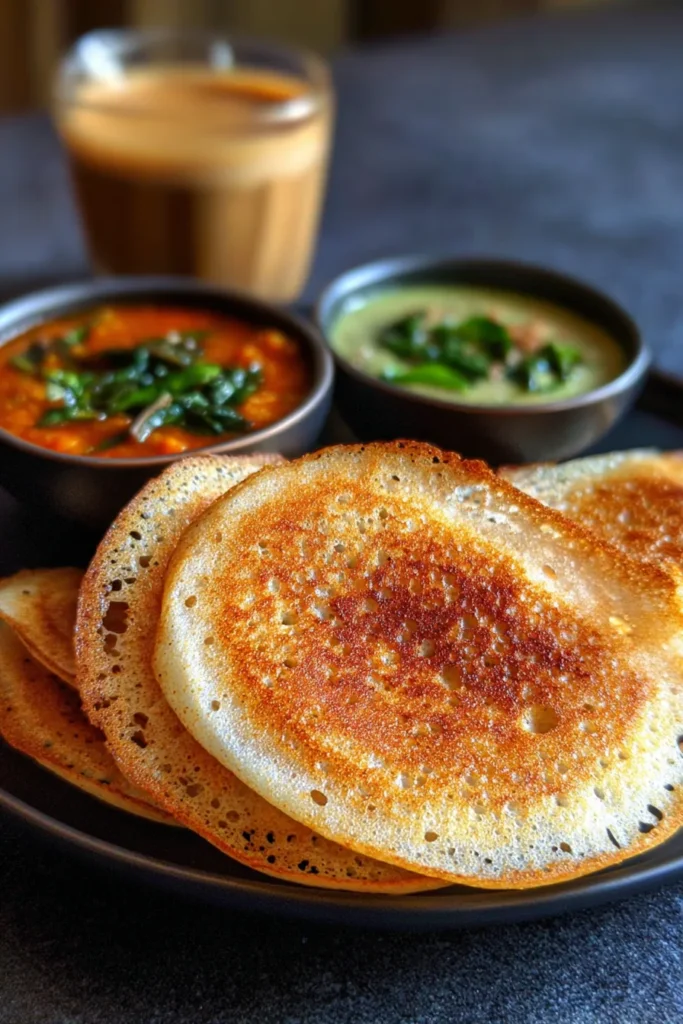
Fluffy Fast Appam: Healthy Indian Breakfast Recipe
Ingredients
- 1.5 cups rice flour
- 1 tbsp sugar
- 1 tsp instant dry yeast
- 1/2 tsp salt
- 1.5 cups lukewarm water (or thin coconut milk)
- 1/2 cup thick coconut milk
- Oil for cooking
Instructions
- Step 1 Combine rice flour, sugar, salt, and instant dry yeast in a large mixing bowl. Whisk to combine.
- Step 2 Gradually add lukewarm water and thick coconut milk, whisking continuously until a smooth, thin batter forms. The consistency should be similar to thin pancake batter.
- Step 3 Cover the bowl with a clean cloth or lid and let the batter stand in a warm place for 1-2 hours, or until it becomes slightly bubbly and has increased slightly in volume. This is for a fast rise.
- Step 4 Heat an Appam pan (Kadai) or a good quality non-stick skillet over medium-high heat. Lightly grease with a tiny bit of oil.
- Step 5 Once the pan is hot, pour a ladleful of batter (about 1/4 cup) into the center. Immediately swirl the pan in a circular motion to spread a thin layer of batter around the edges, creating a lacy pattern and a thicker center.
- Step 6 Reduce the heat to medium. Cover the pan with a lid and cook for 2-3 minutes, or until the edges are golden and crispy, and the center is soft, airy, and cooked through.
- Step 7 Carefully remove the Appam from the pan using a spatula. Do not flip.
- Step 8 Serve the Appam immediately with your favorite accompaniments like coconut chutney, vegetable stew, or a sprinkle of sugar. Repeat with the remaining batter, lightly greasing the pan as needed.


