
Spicy Batata Poha Indian Recipes | Your New Favorite Healthy Breakfast!
There are some breakfast dishes that just transport you, aren’t there? For me, it’s the warm, comforting aroma of freshly made Poha wafting from the kitchen. I can still vividly recall those childhood mornings at my grandmother’s house, the clatter of pans, and her beaming smile as she placed a steaming plate of Spicy Batata Poha Indian Recipes | Healthy Breakfast in front of me. It wasn’t just food; it was a ritual, a hug in a bowl, a vibrant start to the day that promised energy and joy.
That cherished memory is exactly what I pour into every batch of this beloved Indian breakfast staple. This particular recipe is a family favorite, tried and tested countless times, and perfected over years. It’s an incredibly simple yet profoundly satisfying meal that doubles as an amazing quick lunch or light dinner, making it the ultimate comfort food for any time of day.
Forget complicated morning routines! This quick, delicious, and undeniably healthy Indian breakfast is about to become your new kitchen MVP. It’s vibrant, packed with flavor, and comes together faster than you can brew your morning coffee, making it an easy dinner option too!
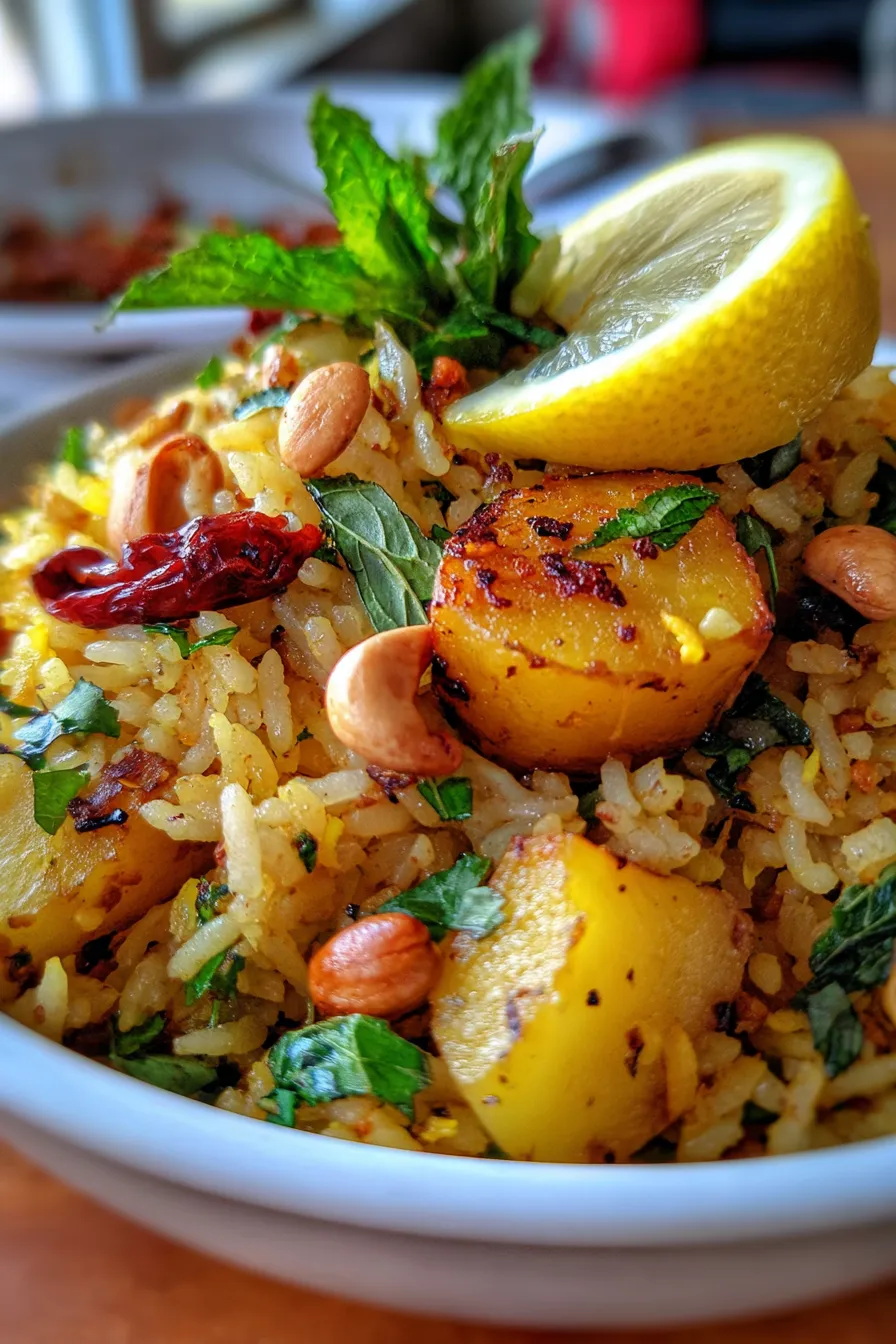
Why You’ll Love This Recipe
❤️ Oh, let me count the ways you’ll fall head over heels for this incredible Spicy Batata Poha!
- Lightning Fast & Fabulous: This dish comes together in under 25 minutes! It’s genuinely one of the quickest and most rewarding healthy breakfast options you can whip up on a busy weekday morning or a leisurely weekend. Minimal fuss, maximum flavor – that’s my kind of cooking!
- Bursting with Authentic Flavor: From the fragrant mustard seeds and fresh curry leaves to the subtle warmth of turmeric and the zing of lemon, every bite is a delightful journey through traditional Indian spices. It’s a truly authentic taste experience that’s both vibrant and comforting.
- Wholesomely Healthy Start: Poha (flattened rice) is naturally gluten-free and easily digestible. Combined with nutritious potatoes, protein-rich peanuts, and fresh vegetables, it’s a balanced meal that will keep you feeling full, energized, and ready to tackle your day without any heavy feeling.
- Infinitely Customizable: This recipe is a fantastic canvas for your culinary creativity! Feel free to add your favorite veggies like peas, carrots, or corn. Want more protein? Sauté some paneer or scrambled tofu with it. It’s incredibly versatile and always delicious.
- Beyond Breakfast Brilliance: While it’s a stellar breakfast, Poha is also perfect for a light lunch, a quick evening snack, or even a delightful side dish. It’s so versatile, you’ll find yourself craving it at all hours! It makes an excellent easy dinner too.
- Nostalgia in Every Spoonful: For many, Poha evokes fond memories of home-cooked meals and family gatherings. Even if you’re new to it, the comforting flavors and textures will quickly make it feel like an old friend. It truly is a comforting food experience.
- Simple Ingredients, Stunning Results: You don’t need any exotic ingredients here! Just a few common pantry staples and fresh produce come together to create a dish that tastes complex and gourmet. It’s proof that simple can be spectacularly delicious.
What You Need
You only need a few simple pantry staples for this vibrant and healthy breakfast! Check the full printable recipe card below for detailed measurements of poha, potatoes, spices, and fresh garnishes.
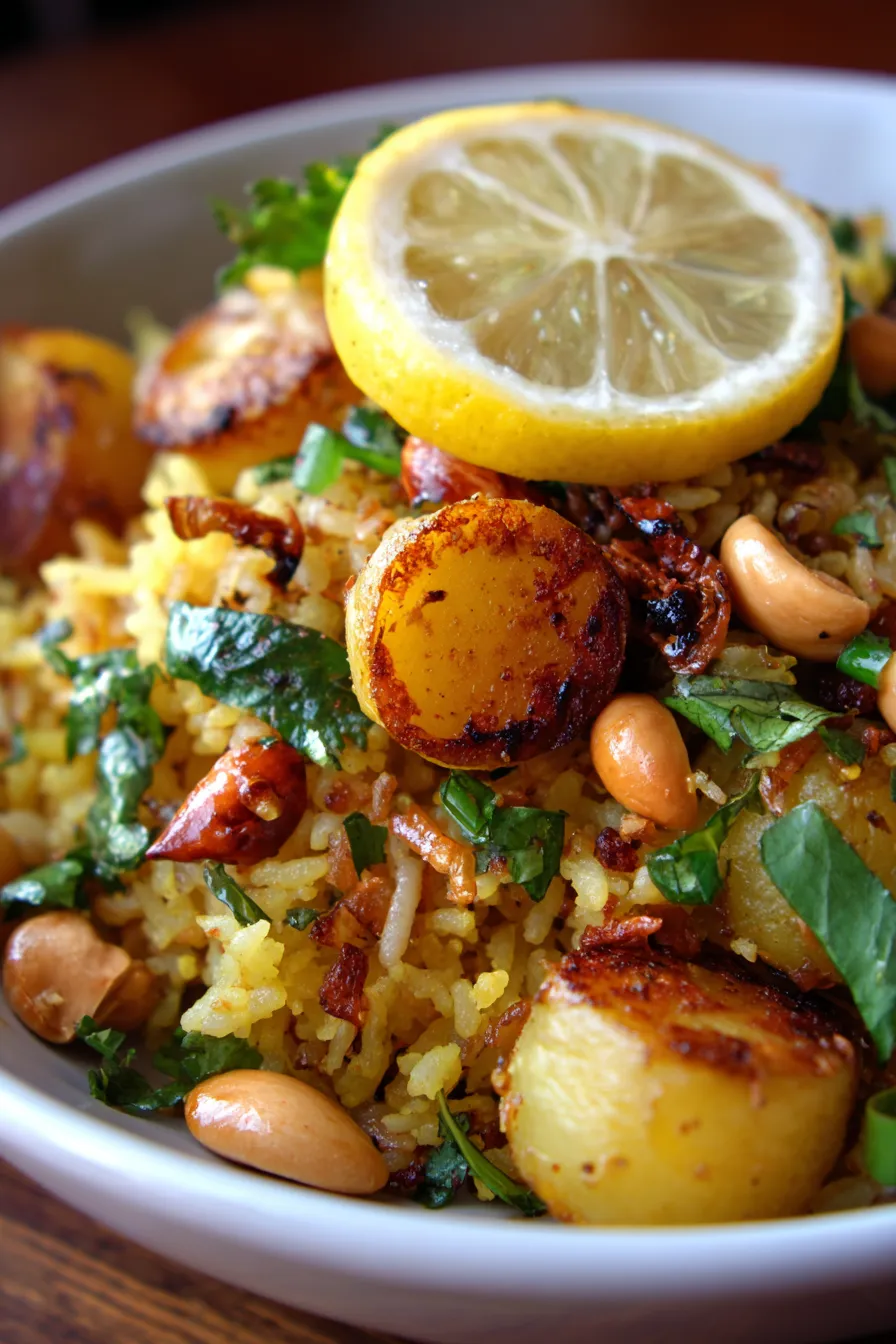
Expert Tips for the Best Batata Poha Every Time
💡 Achieving that perfect, fluffy, and flavorful Poha is all about a few key techniques. Follow these expert tips for a dish that tastes like it came straight from a Mumbai street food stall!
- The Poha Rinse is CRITICAL: This is the absolute most important step! Use medium-thick poha (not thin, which gets mushy, nor thick, which stays hard). Place it in a colander and rinse gently under running cold water for just 1-2 minutes. The goal is to soften it just enough without letting it soak or become waterlogged. It should be pliable but still hold its shape. Drain it very thoroughly and let it sit for 5-10 minutes while you prep other ingredients; this helps it absorb moisture evenly and become fluffy. Never soak poha!
- Perfect Potatoes are Key: Dice your potatoes into small, even pieces (about 1/4 inch cubes). This ensures they cook quickly and evenly. Sauté them until they are tender and have a slight golden crust. If they’re undercooked, they’ll be hard; if overcooked, they’ll turn to mash. A good trick is to cover the pan briefly after adding potatoes; the steam helps them cook through faster.
- Master the Tempering (Tadka): The tempering is the heart of Poha’s flavor. Ensure your oil is hot enough for the mustard seeds to splutter immediately. Add cumin seeds and curry leaves right after; they release their incredible aroma quickly. Don’t burn them! This rapid frying of spices unlocks their full flavor potential.
- Don’t Overcook the Poha: Once you add the rinsed poha to the pan, cook it on low heat for only 2-3 minutes, covered. This brief steaming allows the poha to fully soften and absorb the flavors from the spices and vegetables. Overcooking will dry it out and make it tough or crumbly. The goal is light, fluffy, and moist.
- Balance the Flavors: Poha needs a good balance of sweet, sour, and salty. Adjust salt to taste, but don’t skip the sugar (even a tiny pinch!) as it rounds out the flavors beautifully. Fresh lemon juice added at the very end brightens the entire dish and provides that essential tang. A squeeze of lime works wonderfully too!
- Freshness is Best for Garnish: Always finish your Poha with a generous sprinkling of fresh, chopped cilantro. This adds a burst of freshness and a beautiful green contrast. A wedge of lemon on the side for an extra squeeze is also a fantastic touch. For an extra crunch, add finely chopped raw red onion or sev (crispy chickpea flour noodles) just before serving.
- Peanuts for Crunch: If your peanuts aren’t pre-roasted, lightly dry roast them in a separate small pan until fragrant and slightly browned before adding them to the poha. This ensures they’re crunchy and flavorful, providing a delightful textural contrast.
- Gentle Hand: When mixing the poha with the spices and vegetables, be gentle. Use a light hand to toss everything together so you don’t break up the softened poha grains. A flat spatula works best for this.
Variations & Substitutions
This Spicy Batata Poha recipe is incredibly adaptable! Feel free to get creative and make it your own.
- Add More Veggies: Boost the nutrition by adding finely diced carrots, green peas, corn, or even bell peppers along with the potatoes. Sauté them until tender before adding the poha.
- Protein Power-Up: For a heartier meal, stir in some crumbled paneer (Indian cottage cheese) or scrambled tofu along with the poha. Cook until heated through.
- Spice Level: Easily adjust the heat by increasing or decreasing the number of green chilies. For a milder version, remove the seeds from the chilies or use a less potent variety. For more heat, add a pinch of red chili powder with the turmeric.
- Sweet & Savory Twist: If you enjoy a touch more sweetness, a tablespoon of grated coconut can be added at the end, or even a few raisins when sautéing the onions for a delightful contrast.
- Nut Alternatives: If you have a peanut allergy, you can omit them entirely or substitute with roasted cashews or even sunflower seeds for a different kind of crunch.
- Gluten-Free & Vegan Friendly: Good news! This recipe is naturally both gluten-free and vegan, making it a perfect choice for various dietary preferences. Just ensure your oil and other ingredients are pure.
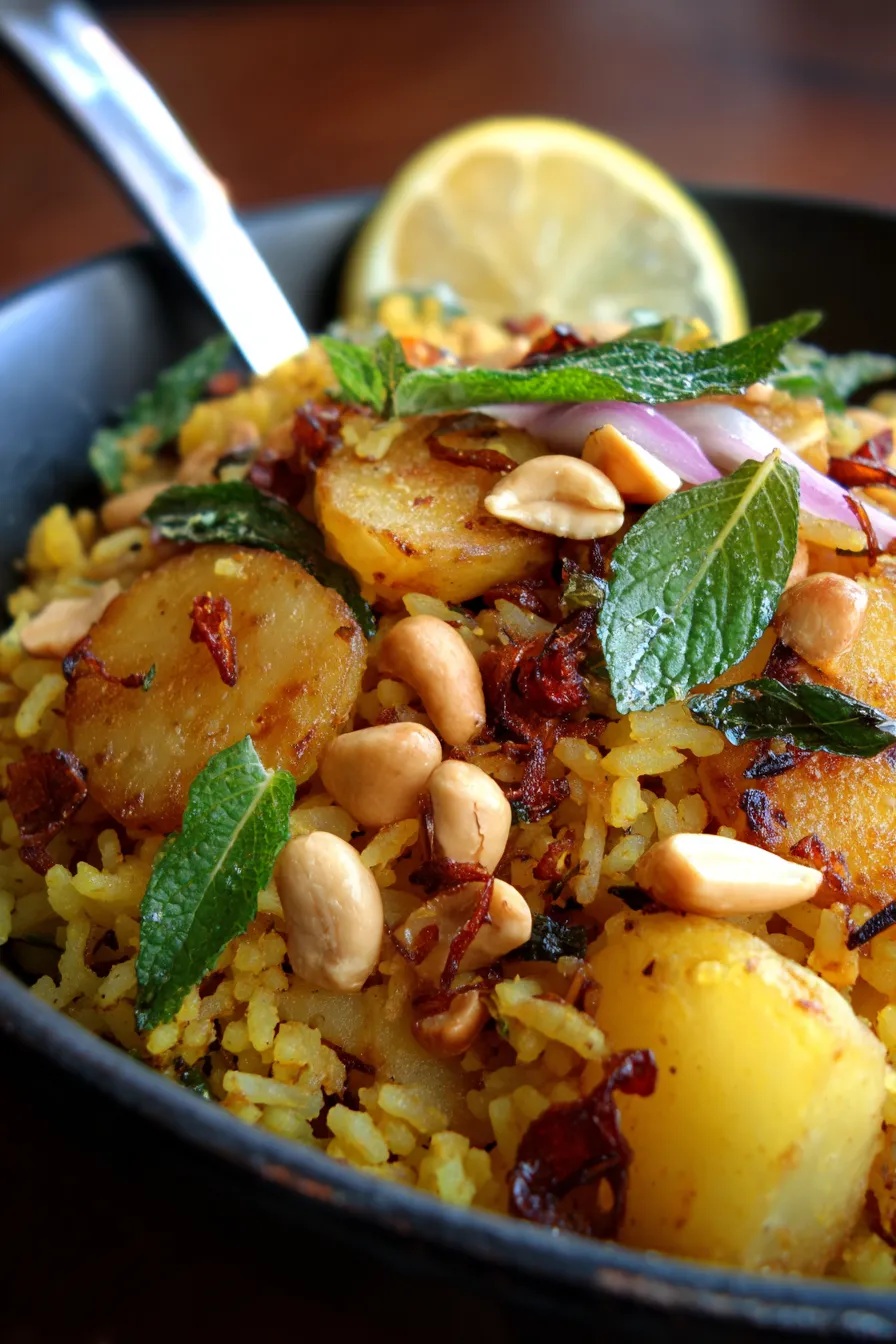
Storage & Freezing
While poha is best enjoyed fresh and hot, you can certainly store leftovers for a quick reheat!
- Refrigerator: Store any leftover Spicy Batata Poha in an airtight container in the refrigerator for up to 2-3 days.
- Reheating: To reheat, simply microwave it for 1-2 minutes, stirring halfway through, until heated through. You can also gently warm it in a non-stick pan over low heat, adding a splash of water or a tiny bit of oil if it seems dry, to bring back its softness.
- Freezing: I generally do not recommend freezing Poha. The texture of the flattened rice tends to become unpleasantly mushy or dry after freezing and thawing. It’s truly best made fresh.
Frequently Asked Questions About Batata Poha
Q: What exactly is Poha?
A: Poha, also known as flattened rice or rice flakes, is made by parboiling rice and then flattening it into thin, light flakes. It’s a popular breakfast cereal in various parts of India, prized for its quick cooking time and nutritional value.
Q: Is Batata Poha a healthy breakfast option?
A: Absolutely! Batata Poha is considered a very healthy and balanced meal. It’s low in fat, easily digestible, and provides carbohydrates for energy, protein from peanuts, and vitamins/minerals from potatoes and other vegetables. It’s also naturally gluten-free.
Q: How can I prevent my Poha from becoming mushy or dry?
A: The key lies in the proper rinsing of the poha – don’t soak it, just rinse quickly under running water and drain well. Also, do not overcook it on the stove; a brief steam (2-3 minutes, covered) is usually sufficient to soften it without drying it out or making it mushy.
Q: Can I make Batata Poha without potatoes?
A: Yes, you can! While ‘Batata’ means potato, you can easily make ‘Kanda Poha’ (Poha with onions) or add other vegetables like peas, carrots, or corn in place of or in addition to potatoes. The core tempering method remains the same.
This Spicy Batata Poha Indian Recipes | Healthy Breakfast is truly a culinary gem that brings so much joy to my kitchen, and I know it will to yours too. Don’t forget to pin this recipe for later and share your creations with me!
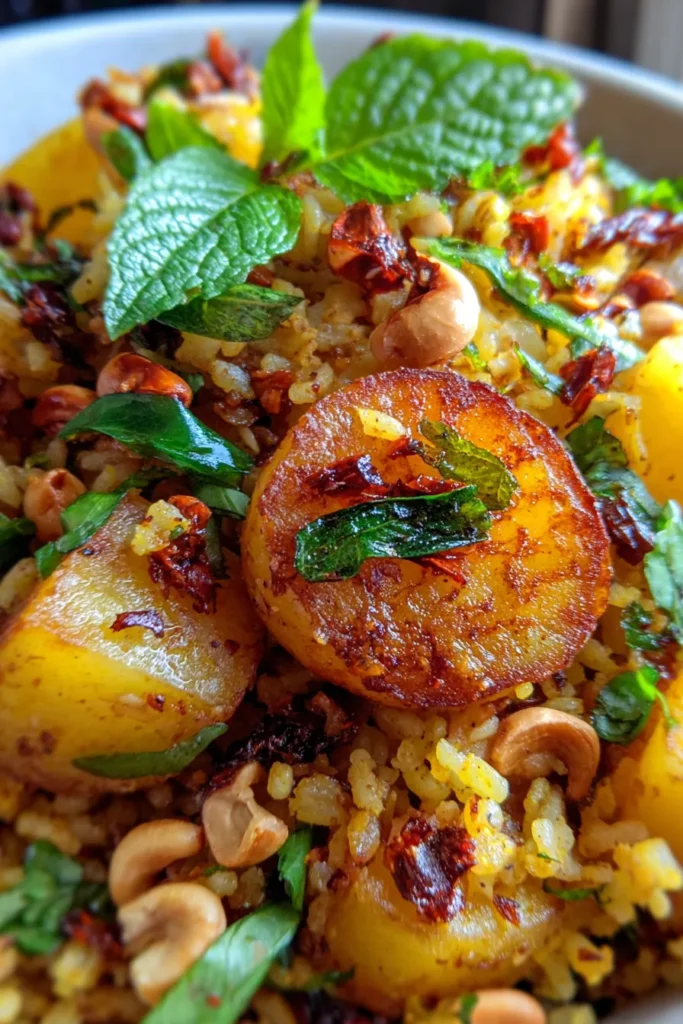
Spicy Batata Poha: Healthy Indian Breakfast & Easy Recipe
Ingredients
- 2 cups medium poha (flattened rice)
- 1 medium potato, peeled and finely diced
- 1/4 cup roasted peanuts
- 1 tbsp oil (peanut or vegetable)
- 1/2 tsp mustard seeds
- 1/4 tsp cumin seeds
- 8-10 curry leaves
- 1/4 cup finely chopped onion
- 1-2 green chilies, slit or chopped (adjust to taste)
- 1/4 tsp turmeric powder
- Salt to taste
- 1 tsp sugar (optional, balances flavor)
- Juice of 1/2 lemon
- 2 tbsp chopped fresh cilantro, for garnish
Instructions
- Step 1 Rinse poha gently in a colander under running water for 1-2 minutes until soft but not mushy. Drain thoroughly and set aside. Ensure it's not soaked, just rinsed.
- Step 2 Heat oil in a large non-stick pan or kadai over medium heat. Add mustard seeds and let them splutter. Then add cumin seeds and curry leaves, sautu00e9 for a few seconds until fragrant.
- Step 3 Add diced potatoes to the pan. Cook, stirring occasionally, until tender and lightly browned, about 5-7 minutes. If needed, cover the pan to steam them slightly.
- Step 4 Stir in chopped onions and green chilies. Sautu00e9 until onions turn translucent, about 2-3 minutes. Do not brown them.
- Step 5 Add turmeric powder, salt, and sugar (if using). Mix well. Immediately add the rinsed and drained poha to the pan. Gently toss everything together, ensuring the poha is evenly coated with the spices and potatoes.
- Step 6 Cover the pan and cook on low heat for 2-3 minutes, allowing the poha to steam and absorb the flavors. Do not overcook, or it will become dry.
- Step 7 Remove from heat. Stir in the roasted peanuts and fresh lemon juice. Give it a final gentle mix.
- Step 8 Garnish generously with fresh cilantro and serve immediately, hot, with a side of chai.


