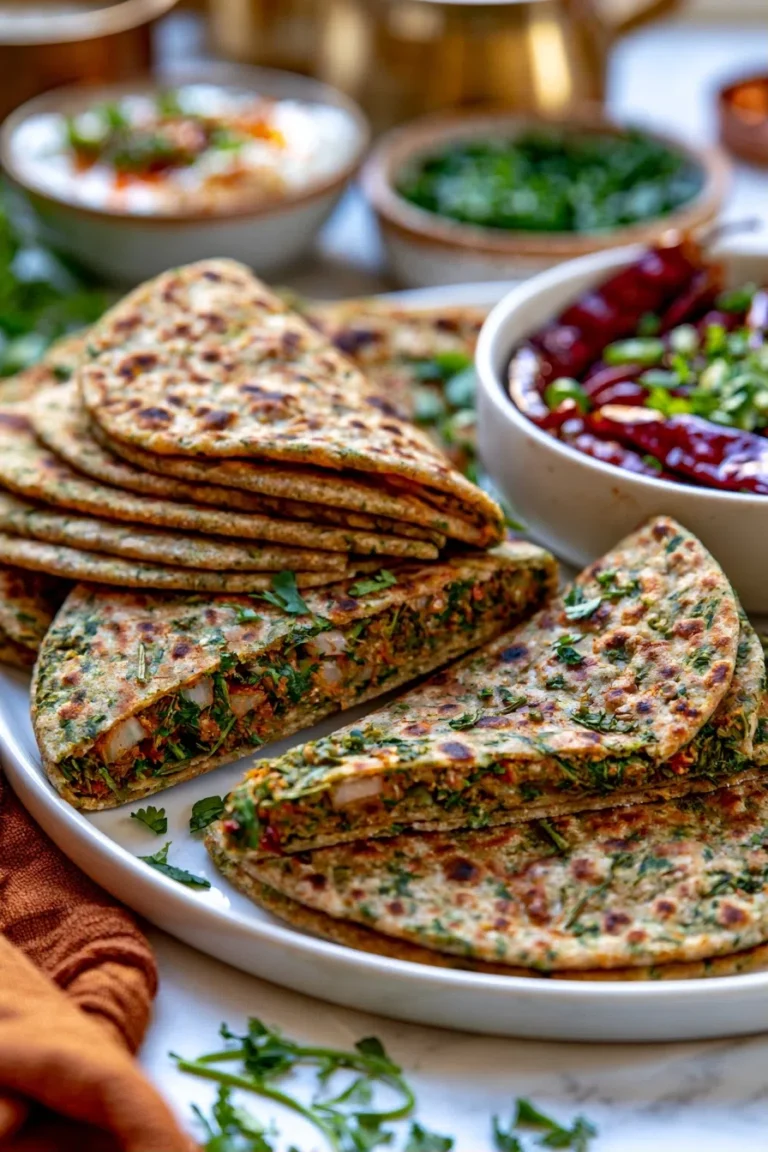
Best Ever Traditional Pesarattu Indian Recipes | Healthy Breakfast
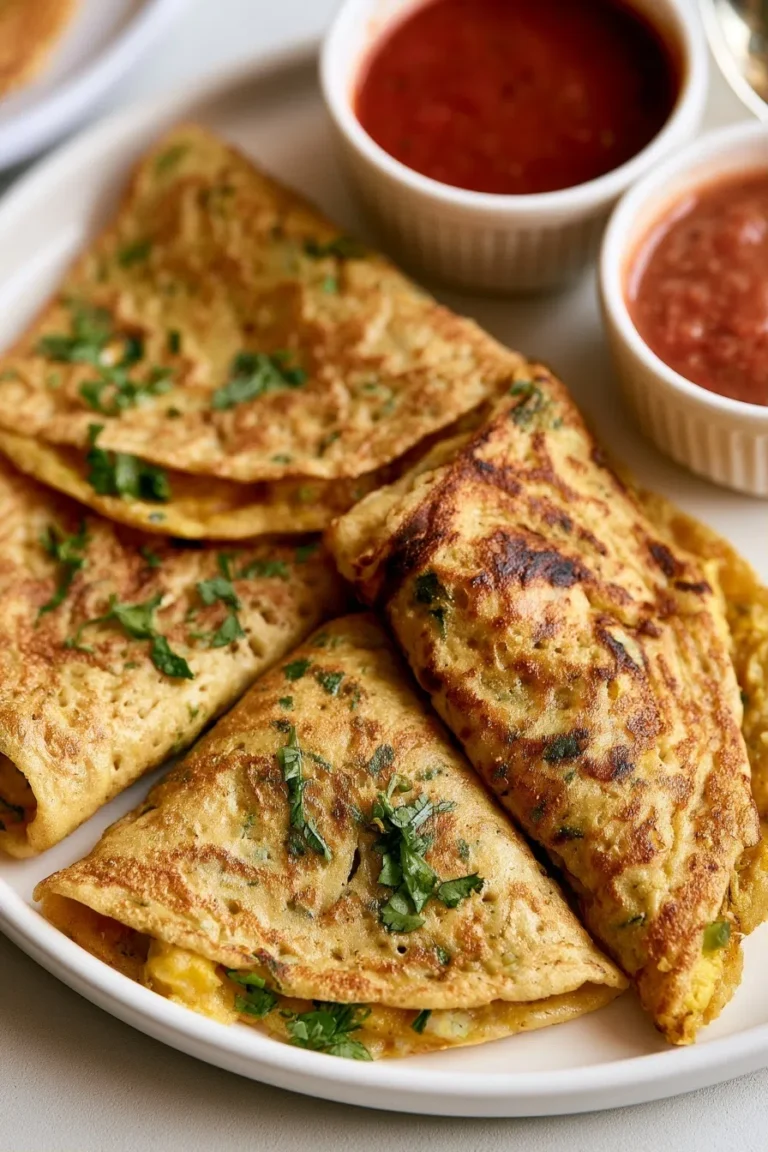
Oh, Pesarattu! Just the mention of it transports me back to my grandmother’s bustling kitchen on a Sunday morning. The aroma of freshly ground green gram, the sizzling sound as the batter kissed the hot tawa, and that inevitable moment of pure bliss when a perfectly crisp, golden-green crepe landed on my plate. It wasn’t just breakfast; it was a ritual, a celebration of simple, wholesome ingredients transforming into something truly magical.
My Grandma always said, “A good Pesarattu starts with love and patience.” And she was right. Today, I’m so excited to share her cherished recipe for Traditional Pesarattu Indian Recipes | Healthy Breakfast – a gluten-free, protein-packed marvel that has been a family favorite for generations. Forget complicated meals; this easy breakfast option is a delicious way to start your day, packed with nutrients and bursting with flavor. Trust me, once you try this tested recipe, you’ll wonder how you ever lived without this wholesome meal!
This savory crepe is not only incredibly versatile, serving beautifully as a hearty breakfast, a light lunch, or even a delightful evening snack, but it also caters to various dietary needs. It’s naturally gluten-free and vegan, making it a perfect fit for almost everyone at your table. Get ready to fall in love with its delicate crispiness and vibrant taste!
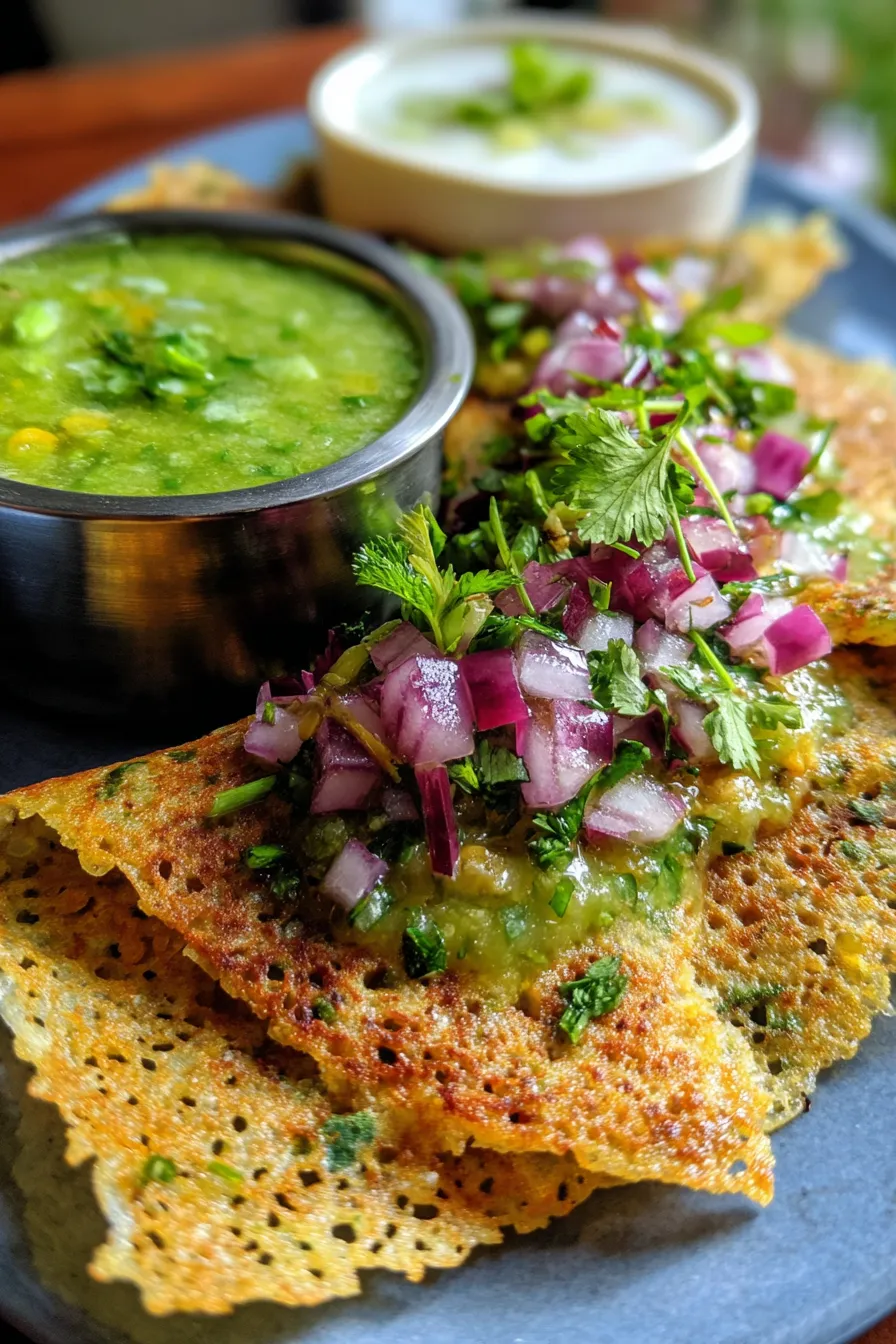
Why You’ll Love This Recipe
- Incredibly Healthy & Nutritious: Pesarattu is primarily made from whole green gram (moong dal), which is a powerhouse of plant-based protein, dietary fiber, and essential minerals like iron and potassium. It’s naturally low in fat and cholesterol, making it an excellent choice for a health-conscious lifestyle. Plus, it’s a slow-releasing energy food, keeping you full and energized for longer without any mid-morning slumps!
- Naturally Gluten-Free & Vegan: This recipe is a fantastic option for those with gluten sensitivities or following a vegan diet. There’s no wheat flour or dairy involved, making it universally appealing and easy to serve to guests with various dietary restrictions. It’s a truly inclusive dish that doesn’t compromise on flavor or texture.
- Crispy, Flavorful, and Satisfying: The unique texture of Pesarattu, with its delicate crispiness on the outside and tender inside, is simply irresistible. Infused with fresh ginger, green chilies, and cumin, each bite is a symphony of savory notes that will tantalize your taste buds. It’s light yet incredibly filling, perfect for any meal.
- Quick & Easy to Prepare: While there’s some soaking time involved for the green gram, the active preparation time is surprisingly minimal. The batter comes together quickly in a blender, and cooking the crepes is a breeze. It’s a perfect last-minute meal idea once the batter is ready, making busy mornings a joy.
- Versatile for Any Meal: Pesarattu isn’t just for breakfast! It makes a fantastic light lunch, a wholesome snack, or even a delicious, simple dinner when paired with your favorite chutneys or a side of upma. Its mild yet distinct flavor pairs well with a variety of accompaniments, offering endless possibilities.
- Budget-Friendly & Pantry Staple Based: Using common pantry ingredients like green gram, rice, ginger, and chilies, this recipe is incredibly economical. You likely have most of what you need already, making it a sustainable and cost-effective meal solution for families.
What You Need
You only need a few simple pantry staples for this recipe! The magic lies in the fresh green gram and a handful of aromatic spices. Check the full printable recipe card below for detailed measurements and a complete list of ingredients.
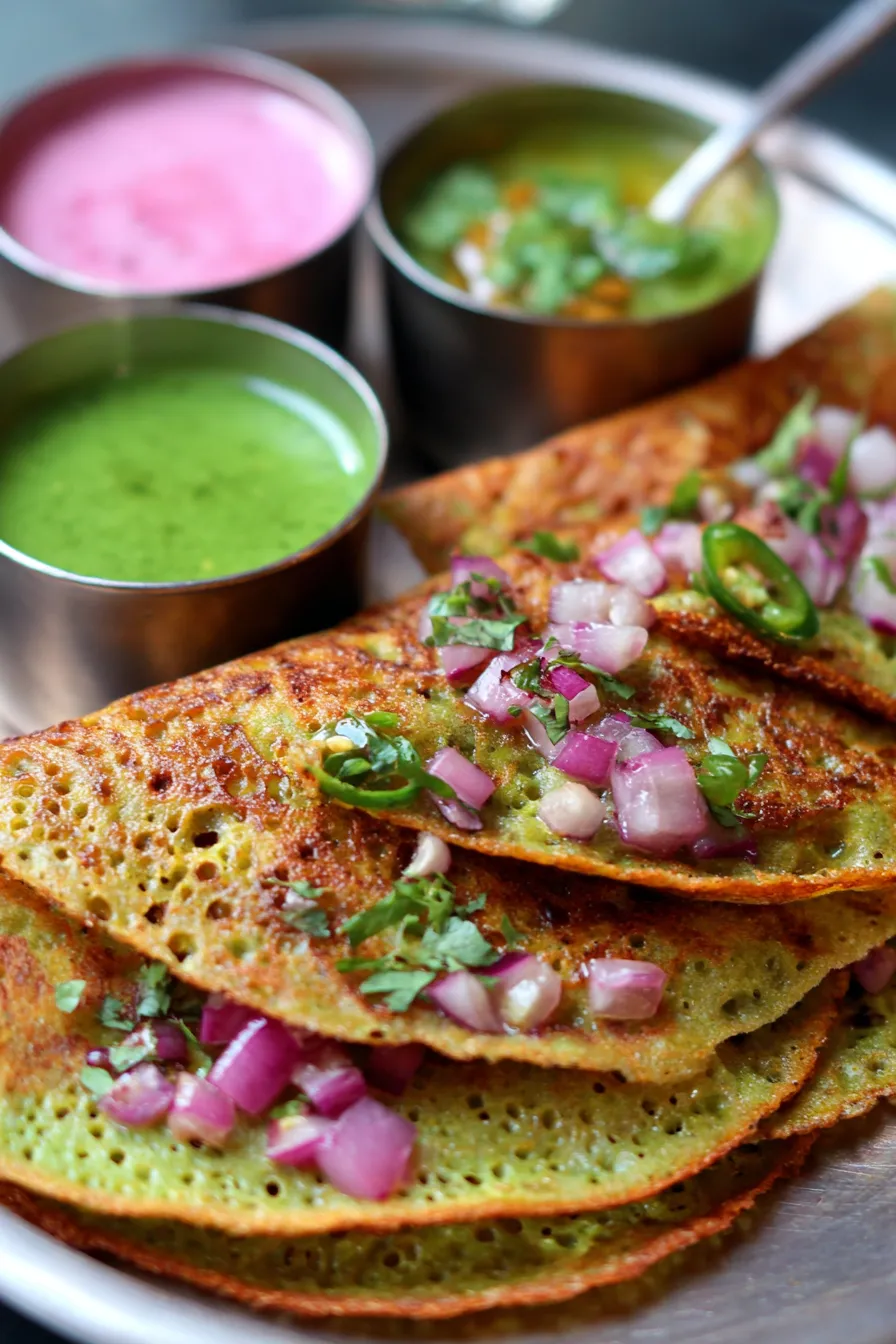
Expert Tips for the Perfect Pesarattu
- Proper Soaking is Key: Don’t skip the soaking! Soaking the green gram and rice for at least 4-6 hours (or overnight) is crucial for a smooth batter and easy digestion. It softens the grains, ensuring a silky consistency when ground, which is essential for that signature delicate Pesarattu texture.
- Achieve the Right Batter Consistency: Your batter should be smooth, pourable, and slightly thicker than a regular dosa batter, but thinner than pancake batter. It should have the consistency of a thin yogurt. If it’s too thick, it won’t spread well; too thin, and it won’t hold its shape or get crispy. Add water gradually while grinding until you reach the perfect consistency.
- No Fermentation Needed: Unlike traditional dosa batter, Pesarattu batter does not require fermentation. You can use it immediately after grinding. In fact, using it fresh helps achieve the best flavor and crispiness. However, if you store it in the fridge, let it come to room temperature before cooking.
- Hot Tawa is Your Friend: A properly heated non-stick tawa (griddle) or cast-iron pan is vital for crispy Pesarattu. Test the heat by sprinkling a few drops of water; if they sizzle and evaporate quickly, it’s ready. If the tawa is not hot enough, the Pesarattu will stick and won’t crisp up.
- Spreading Technique Matters: For that perfect round, thin Pesarattu, pour a ladleful of batter in the center and quickly spread it outwards in a spiral motion using the back of the ladle. Work quickly but gently. The thinner you spread it, the crispier it will be.
- Oil/Ghee for Crispiness: Don’t be shy with a little oil or ghee around the edges and on top of the Pesarattu while it’s cooking. This helps it crisp up beautifully and gives it a lovely golden color. Coconut oil works wonderfully for an authentic South Indian flavor.
- Cook on Medium-High Heat: Maintain a consistent medium-high flame. Too low, and it will become soft; too high, and it will burn before cooking through. Adjust the heat as needed to ensure even cooking and golden-brown perfection.
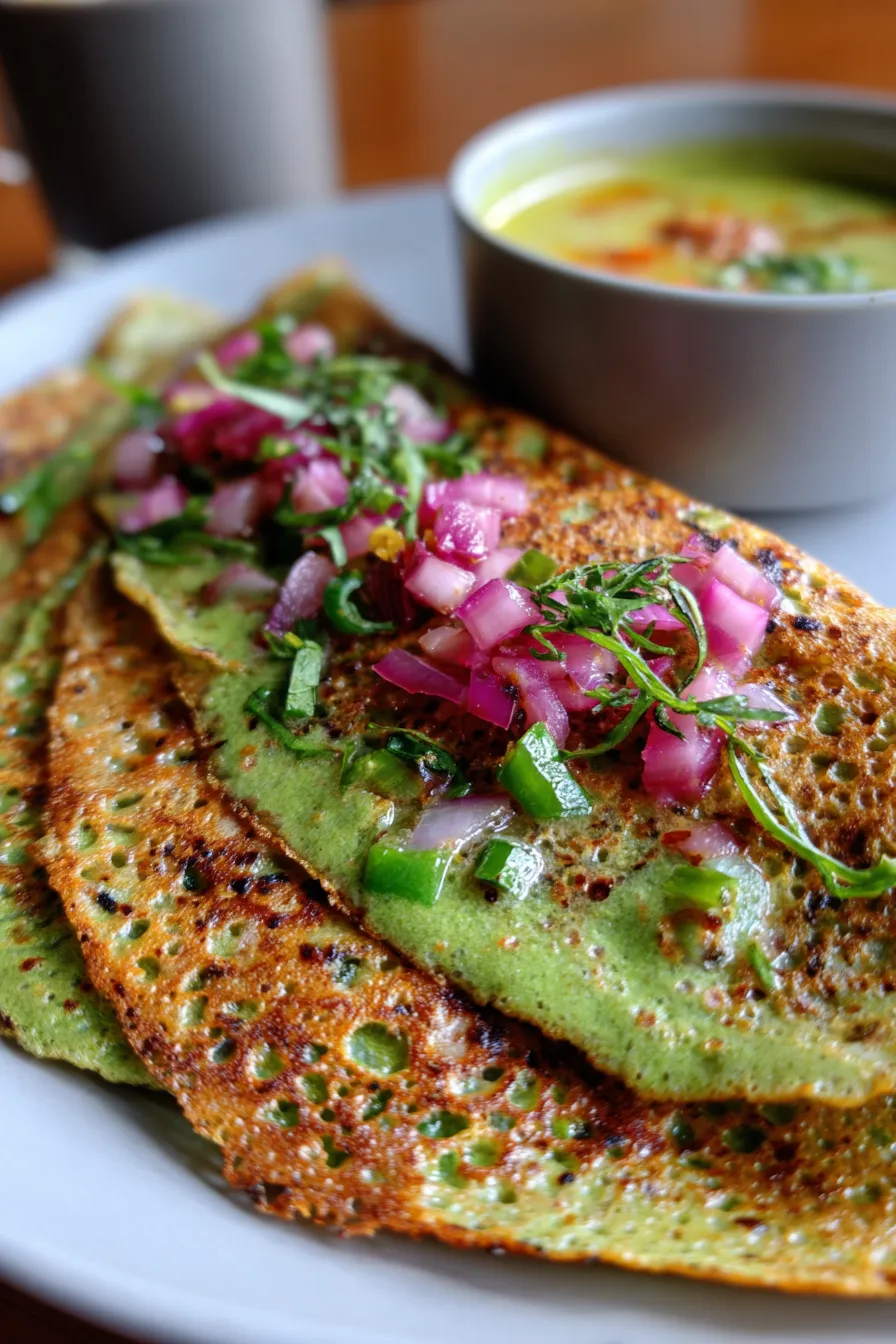
- Topping with Onions: If adding chopped onions or green chilies as a topping (known as MLA Pesarattu), sprinkle them over the batter immediately after spreading it on the tawa. Gently press them down with the back of the ladle to ensure they stick and cook along with the Pesarattu.
- Serve Immediately: Pesarattu is best enjoyed hot and fresh off the tawa. Its crispiness starts to diminish as it cools. Serve it with your favorite ginger chutney, coconut chutney, or even a side of upma for a truly traditional experience.
Variations & Substitutions
This Traditional Pesarattu recipe is fantastic on its own, but it’s also wonderfully adaptable! You can easily customize it to your taste or dietary preferences. For an extra nutritional boost, try adding a handful of spinach or coriander leaves to the batter before grinding. For those who like a bit more heat, increase the number of green chilies or add a pinch of red chili powder. You can also experiment with different toppings like grated carrots, finely chopped bell peppers, or even a sprinkle of grated paneer for a richer texture. While it’s naturally gluten-free and vegan, if you’re looking to play with the texture, some even add a tiny pinch of baking soda for a slightly fluffier result, though it’s not traditional.
Storage & Freezing
Storing the Batter: Pesarattu batter can be stored in an airtight container in the refrigerator for up to 2-3 days. While it doesn’t ferment like dosa batter, it’s best used fresh. If storing, give it a good stir before using, and you might need to add a tiny splash of water if it has thickened.
Storing Cooked Pesarattu: Cooked Pesarattu is best enjoyed fresh off the tawa for optimal crispiness. However, if you have leftovers, store them in an airtight container in the refrigerator for up to 1-2 days. To reheat, gently warm them on a lightly greased tawa until heated through, but they may not regain their original crispness.
Freezing Pesarattu: Freezing cooked Pesarattu is not recommended as it significantly affects the texture and crispiness upon thawing and reheating. It’s best to prepare the batter fresh or use it within the refrigerated storage window.
FAQ
Q: What is Pesarattu?
A: Pesarattu is a traditional South Indian savory crepe, similar to a dosa, originating from Andhra Pradesh. It is primarily made from whole green gram (moong dal) batter, often with a small addition of rice, and seasoned with ginger, green chilies, and cumin.
Q: Is Pesarattu healthier than regular dosa?
A: Pesarattu is generally considered very healthy due to its main ingredient, green gram, which is a rich source of plant-based protein and dietary fiber. It’s often seen as a more protein-dense option compared to traditional rice-based dosas, making it a fantastic choice for a nutritious breakfast or meal.
Q: Can I make Pesarattu without rice?
A: Yes, you can make Pesarattu solely with green gram for a purer lentil flavor and even higher protein content. The addition of rice traditionally helps achieve a slightly crisper texture and aids in spreading the batter more easily. If you omit rice, you might need to adjust the water slightly for the batter consistency.
Q: How do I get my Pesarattu perfectly crispy?
A: Key factors for crispiness include a hot tawa, thinly spreading the batter, and drizzling a good amount of oil or ghee around the edges while cooking. Ensure your batter is the right consistency – not too thick – and allow it to cook undisturbed on medium-high heat until the edges turn golden brown and start lifting from the pan.
There you have it – a taste of home, tradition, and incredible flavor all rolled into one delicious, crispy Pesarattu. This recipe is more than just food; it’s a connection to heritage, a healthy choice, and a joyful way to nourish your body and soul. Don’t wait another minute to bring this magic into your kitchen. Give it a try this week, and let me know how it turns out!
Happy cooking, and don’t forget to Pin this for later so you can always find this amazing recipe!
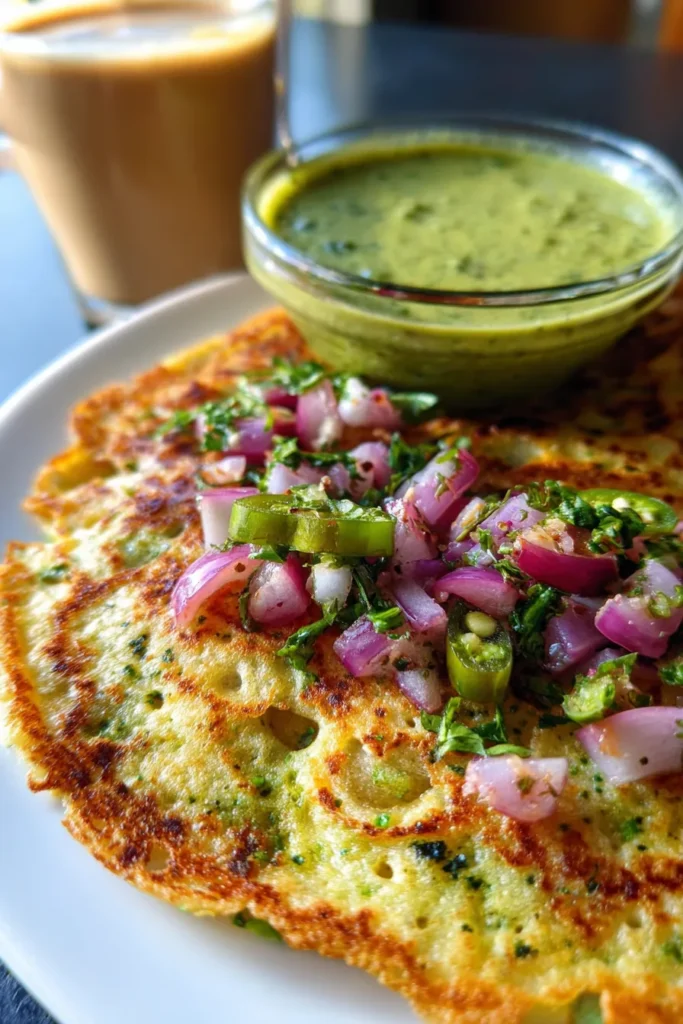
Crispy Pesarattu Recipe: Healthy Indian Breakfast Dosa
Ingredients
- 1 cup whole green gram (moong dal)
- 1/4 cup raw rice
- 1 inch ginger, roughly chopped
- 2-3 green chilies (adjust to taste)
- 1/2 teaspoon cumin seeds
- Salt to taste
- 1/4 cup finely chopped onion (optional, for topping)
- Oil or ghee for cooking
- Water for grinding
Instructions
- Step 1 1. Rinse the whole green gram and raw rice thoroughly. Soak them together in plenty of water for 4-6 hours, or preferably overnight.
- Step 2 2. Drain the soaked green gram and rice. Transfer them to a blender or wet grinder along with the chopped ginger, green chilies, and cumin seeds. Add about 1/2 cup of fresh water.
- Step 3 3. Grind the mixture to a very smooth batter. Add more water, a tablespoon at a time, until the batter reaches a pourable consistency, slightly thicker than a dosa batter but thinner than a pancake batter. It should be lump-free.
- Step 4 4. Transfer the batter to a bowl. Add salt to taste and mix well. The batter does not require fermentation and can be used immediately.
- Step 5 5. Heat a non-stick tawa (griddle) or a cast-iron pan over medium-high heat. Lightly grease the tawa with a few drops of oil and wipe with a paper towel to remove excess.
- Step 6 6. When the tawa is hot (test by sprinkling water; it should sizzle), pour a ladleful of batter in the center. Quickly spread it outwards in a spiral motion using the back of the ladle to form a thin, even crepe.
- Step 7 7. If desired, sprinkle a tablespoon of finely chopped onions (and green chilies, if using) evenly over the Pesarattu. Drizzle about 1 teaspoon of oil or ghee around the edges and over the top.
- Step 8 8. Cook on medium-high heat for 2-3 minutes until the Pesarattu turns golden brown and crispy on the bottom, and the edges start to lift. You can cook briefly on the other side if you prefer, but it's traditionally cooked mostly on one side.
- Step 9 9. Carefully fold the Pesarattu in half or roll it up and transfer it to a serving plate.
- Step 10 10. Serve hot immediately with ginger chutney, coconut chutney, or a side of upma for a complete South Indian breakfast.