
Easy Rava Upma: Your New Favorite High-Protein Indian Breakfast!
There’s nothing quite like a warm, comforting bowl of Easy Rava Upma Indian Recipes | High Protein Breakfast to kickstart your day. I still remember my first proper Upma. It was a rainy Saturday morning, and my aunt, visiting from Chennai, decided we needed a taste of authentic South Indian comfort. The aroma of roasted semolina mingling with curry leaves and mustard seeds filled our kitchen, instantly chasing away the morning chill. She served it with a dollop of ghee and a side of coconut chutney, and from that moment, I was utterly hooked!
This isn’t just a recipe; it’s a piece of culinary history, a tested family favorite that brings joy and sustenance to countless homes across India. It’s also incredibly easy to make, making it the perfect quick breakfast or even a light dinner. Trust me, once you try this perfectly balanced, flavorful, and wonderfully textured Upma, it’ll become a staple in your weekly meal plan.
I’ve perfected this recipe over the years, making it incredibly simple without sacrificing any of that authentic taste. Get ready to experience a truly nourishing, high-protein meal that will keep you full and energized. This is the only Upma recipe you’ll ever need, guaranteed!
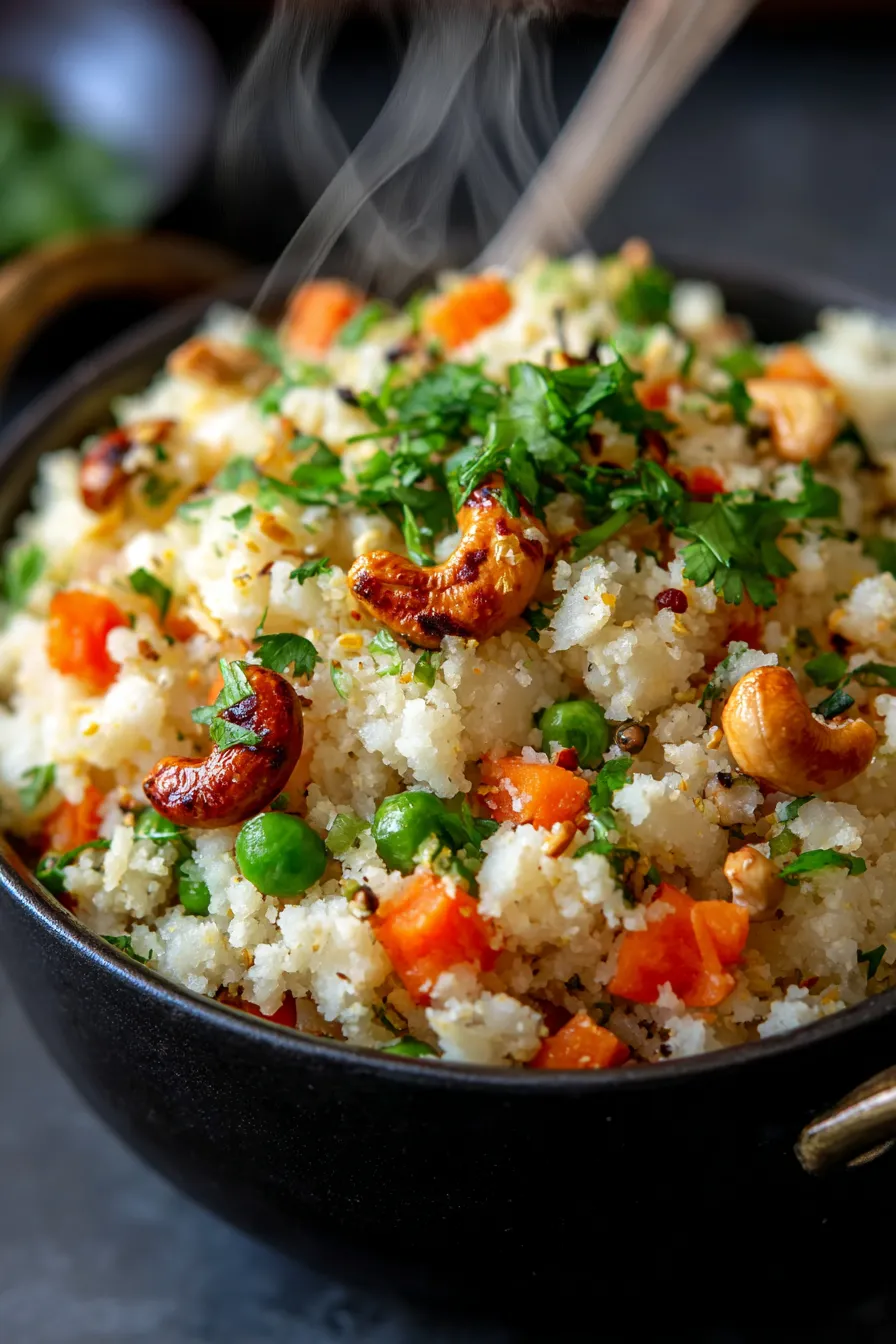
❤️ Why You’ll Love This Easy Rava Upma Recipe
- Quick & Easy: This recipe comes together in under 30 minutes, perfect for busy mornings when you crave something wholesome but don’t have much time. It’s truly a fuss-free cooking experience!
- High in Protein: Packed with the goodness of semolina and often enhanced with nuts and vegetables, Upma provides a satisfying protein boost to keep you energized and full until your next meal. You can even add a sprinkle of nutritional yeast for an extra kick!
- Incredibly Versatile: Don’t like carrots? Swap them for bell peppers! Want more greens? Toss in some spinach. Upma is a blank canvas, allowing you to customize it with your favorite vegetables and spices, making it unique every time.
- Hearty & Wholesome: Made with semolina (rava), this dish is not just delicious but also incredibly filling and nutritious. It’s a comforting meal that warms you from the inside out, providing sustained energy.
- Authentic Indian Flavors: Experience the true taste of South India with aromatic tempering using mustard seeds, curry leaves, and a hint of ginger and green chilies. Each bite is a burst of traditional, vibrant flavors that transport you straight to an Indian kitchen.
- Digestive Benefits: Rava, being a good source of fiber, aids in digestion and promotes gut health. The addition of various vegetables further enhances its nutritional profile, making it a truly balanced meal.
- Budget-Friendly: Made with common pantry staples, Upma is an economical choice for feeding your family. It’s an excellent way to use up leftover vegetables too, reducing food waste!
- Great for Meal Prep: While best fresh, Upma reheats surprisingly well, making it a fantastic option for meal prepping a healthy breakfast or lunch for a few days. Just add a splash of water when reheating to restore its texture.
- Kid-Friendly (with adjustments): You can easily tailor the spice level to make it palatable for children, focusing on the mild, savory flavors and colorful vegetables. It’s a great way to introduce them to Indian cuisine!
What You Need
You only need a few simple pantry staples for this recipe! Most of these ingredients are likely already in your kitchen. Check the full printable recipe card below for detailed measurements and a complete list.
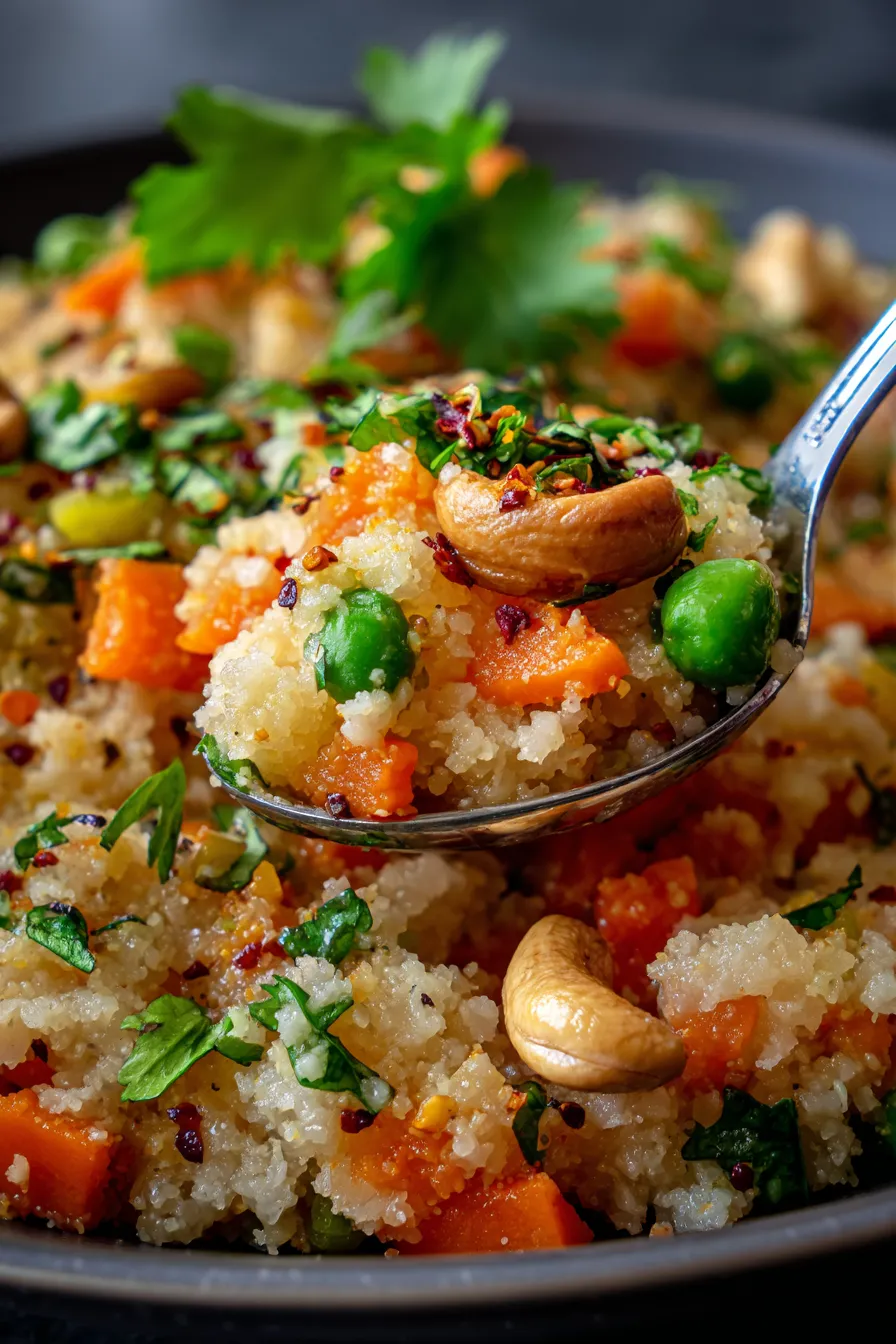
💡 Expert Tips for the Best Rava Upma
- Roast Your Rava (Semolina) Properly: This is the secret to fluffy, non-sticky Upma. Dry roast the semolina on medium-low heat until it’s fragrant and just slightly changes color. This takes about 5-7 minutes. Be patient and stir constantly to prevent burning. Undercooked rava results in a gooey texture, while overcooked can make it too dry.
- Master the Water Ratio: The ideal water-to-rava ratio is crucial. Generally, 1 cup of rava requires 2 to 2.5 cups of water. For a fluffier Upma, stick closer to 2 cups; for a slightly softer texture, use 2.5 cups. Too much water will make it mushy, too little will leave it dry.
- Hot Water is Key: Always add *boiling hot* water to the roasted rava. Adding cold water can cool down the pan, causing the rava to clump and not cook evenly. The hot water ensures a smooth, consistent texture.
- Perfect Tempering (Tadka): Don’t skip the tempering! Heat the oil or ghee, then add mustard seeds until they splutter, followed by urad dal (if using) until golden. Then add curry leaves, ginger, and green chilies. This aromatic base is what gives Upma its signature flavor.
- Sauté Vegetables Thoroughly: Ensure your vegetables (onions, carrots, peas) are sautéed until tender-crisp before adding the water. This ensures they are cooked through and their flavors meld beautifully into the Upma.
- Add a Touch of Ghee at the End: A tiny drizzle of ghee (clarified butter) stirred in at the very end, just before serving, adds an incredible aroma and richness to the Upma. It’s an optional but highly recommended step!
- Cover and Rest: Once the water is absorbed and the Upma looks cooked, cover the pan and let it rest off the heat for 5-10 minutes. This allows the rava to fully steam and swell, resulting in a much softer and fluffier texture.
- Fluff with a Fork: Before serving, gently fluff the Upma with a fork to separate the grains. This prevents it from becoming dense and gives it that light, airy consistency.
- Garnish Generously: Fresh cilantro, grated coconut, a squeeze of lemon juice, or even a handful of roasted cashews can elevate your Upma from good to extraordinary. Don’t underestimate the power of a good garnish!
Variations & Substitutions
- Vegetable Upma: Add finely chopped bell peppers, corn, green beans, or even spinach for extra nutrition and flavor.
- Keto/Low-Carb: While Rava Upma itself isn’t keto, you can make a similar dish using cauliflower rice as a base, mimicking the texture and adding similar tempering and vegetables.
- Vegan Upma: Simply substitute ghee with your favorite plant-based oil (like coconut oil or any neutral cooking oil). It’s already naturally vegan otherwise!
- Gluten-Free: Traditional rava (semolina) is not gluten-free as it’s made from wheat. Look for gluten-free semolina alternatives or consider making quinoa upma for a similar concept.
- Spice Level: Adjust the amount of green chilies according to your preference. For a milder version, remove the seeds or use fewer chilies. For extra heat, add a pinch of red chili powder.
- Nutty Crunch: For added texture and protein, include roasted peanuts or almonds along with the cashews.
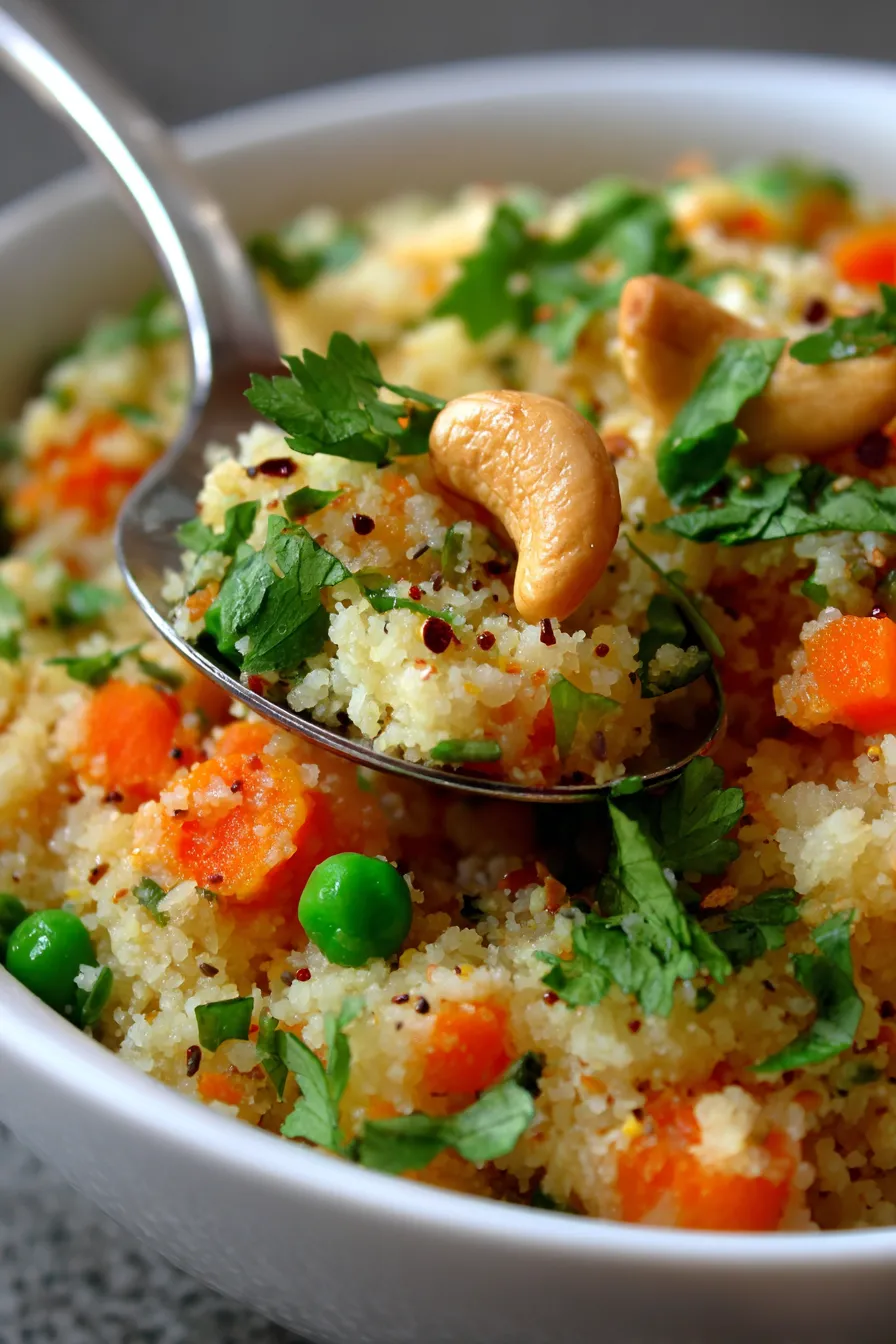
Storage & Freezing
Storage: Leftover Upma can be stored in an airtight container in the refrigerator for up to 2-3 days. When reheating, sprinkle a little water over it and microwave or heat on the stovetop until warmed through. This helps restore its moisture and fluffiness.
Freezing: While it’s best enjoyed fresh, you can freeze Upma. Allow it to cool completely, then transfer it to a freezer-safe container or bag. It can be frozen for up to 1 month. Thaw in the refrigerator overnight, then reheat as described above, adding a splash of water if needed.
FAQ
Q: What is Rava Upma?
A: Rava Upma is a popular South Indian breakfast dish made from dry-roasted semolina (rava) cooked with various vegetables and seasoned with aromatic spices like mustard seeds, curry leaves, and ginger.
Q: Is Upma healthy?
A: Yes! Upma is considered a healthy and wholesome dish. It’s rich in carbohydrates for energy, and with the addition of vegetables, it provides fiber, vitamins, and minerals. It can also be a good source of protein, especially when nuts are included.
Q: Can I make Upma without onions?
A: Absolutely! While onions add a nice flavor and texture, you can certainly make Upma without them. The other spices and vegetables will still provide plenty of deliciousness.
Q: What do you serve with Upma?
A: Upma is traditionally served with coconut chutney, sambar, or a simple pickle. A squeeze of fresh lemon juice just before serving also brightens its flavors beautifully.
I hope this Easy Rava Upma recipe becomes a new favorite in your kitchen, just like it is in mine! It’s a wonderfully versatile and nourishing dish that’s perfect for any time of day. Don’t forget to Pin this recipe for later so you can easily find it whenever that Upma craving hits!
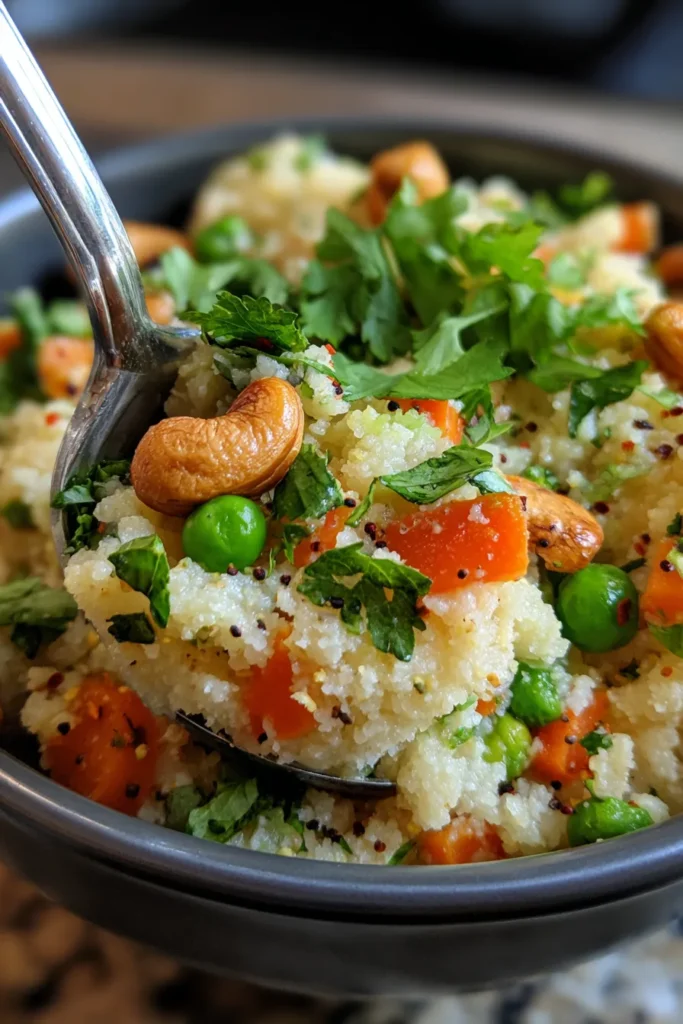
Easy Rava Upma Recipe: High Protein Indian Breakfast
Ingredients
- 1 cup Rava (coarse semolina)
- 2.5 cups hot water
- 2 tbsp cooking oil or ghee
- 1 tsp mustard seeds
- 1/2 tsp urad dal (optional)
- 1 sprig fresh curry leaves
- 1 inch ginger, grated or finely chopped
- 2-3 green chilies, slit (adjust to taste)
- 1 large onion, finely chopped
- 1/2 cup mixed vegetables (carrots, peas, corn), finely chopped
- 1/4 cup cashews (optional)
- Salt to taste
- Fresh cilantro, chopped (for garnish)
- 1 tbsp lemon juice (for serving)
Instructions
- Step 1 Dry roast the rava in a heavy-bottomed pan over medium-low heat for 5-7 minutes until fragrant and lightly golden. Transfer to a bowl and set aside.
- Step 2 In the same pan, heat oil or ghee. Add mustard seeds and let them splutter. Add urad dal (if using) and cashews, frying until golden.
- Step 3 Add curry leaves, chopped ginger, and green chilies. Sautu00e9 for 30 seconds until aromatic.
- Step 4 Add chopped onions and sautu00e9 until translucent. Stir in the mixed vegetables and cook for 3-5 minutes until tender-crisp.
- Step 5 Carefully pour in the hot water and add salt to taste. Bring the water to a rolling boil.
- Step 6 Reduce heat to low. Gradually add the roasted rava in a thin stream, stirring continuously to prevent lumps. Stir well until all the water is absorbed.
- Step 7 Cover the pan with a lid and let it cook on low heat for 5 minutes. Then, turn off the heat and let it rest, covered, for another 5-10 minutes.
- Step 8 Gently fluff the Upma with a fork. Garnish with fresh cilantro and a squeeze of lemon juice. Serve hot.


