The Ultimate Gluten-Free Buckwheat Khichdi: Your High-Protein Indian Breakfast Solution!
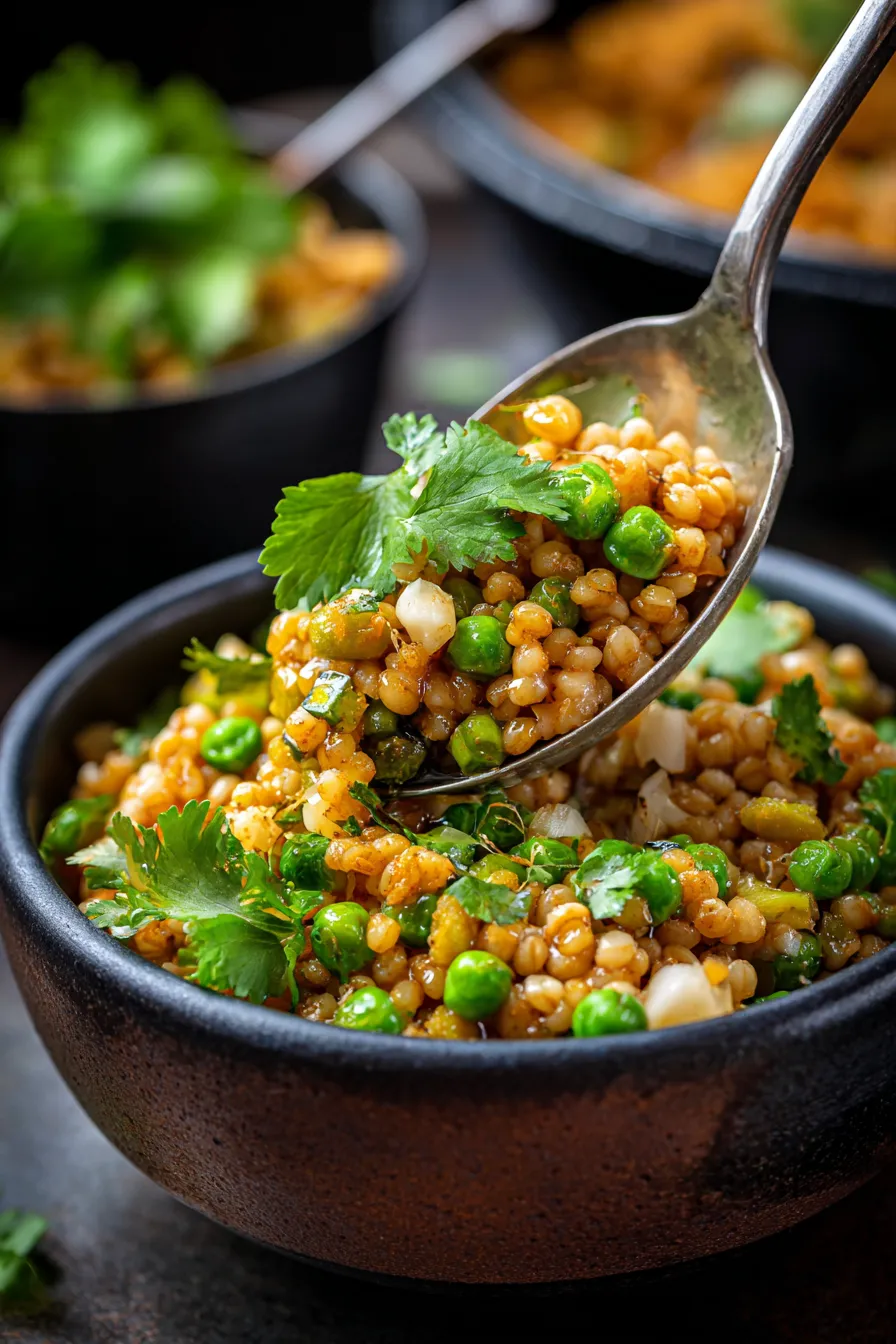
There’s nothing quite like a warm, hearty bowl of comfort to start your day, especially when it’s as nourishing and flavor-packed as this incredible Gluten-Free Buckwheat Khichdi Indian Recipes | High Protein Breakfast. I still remember those chilly mornings growing up, waking up to the comforting aroma of my Auntie’s khichdi simmering gently on the stove.
It wasn’t just a meal; it was an experience, a hug in a bowl that chased away the morning chill and filled us with energy. This particular recipe, passed down through generations and perfected over countless family gatherings, is my absolute favorite. It’s truly an easy breakfast and a healthy meal prep dream, blending traditional Indian flavors with wholesome, gluten-free buckwheat.
I’ve tested this recipe countless times to ensure it’s perfectly balanced, deliciously satisfying, and simple enough for even a beginner cook. Get ready to fall in love with a dish that brings warmth to your soul and incredible nutrients to your body, making it the ultimate comfort food for any day of the week.
Why You’ll Love This Recipe
❤️ Here’s why this Gluten-Free Buckwheat Khichdi is about to become your new favorite:
- High Protein Powerhouse: Buckwheat, despite its name, is a pseudo-cereal and a complete protein, offering all essential amino acids. Combined with moong dal (split yellow lentils), this khichdi provides a substantial protein boost, keeping you fuller for longer and energizing your mornings without the mid-day slump. It’s an ideal choice for vegetarians and vegans looking to increase their protein intake naturally.
- Naturally Gluten-Free: For those with gluten sensitivities or celiac disease, finding delicious and satisfying breakfast options can be a challenge. Buckwheat is naturally gluten-free, making this khichdi a safe and incredibly tasty alternative to wheat-based porridges or breads. Enjoy traditional Indian flavors without any worries!
- Incredibly Flavorful & Aromatic: We’re talking about a symphony of Indian spices here! Toasted cumin seeds, pungent ginger, vibrant turmeric, and a hint of green chili create a deeply aromatic and warming flavor profile that’s both comforting and exciting. Each spoonful is a delightful journey through savory goodness, making healthy eating anything but boring.
- Gut-Friendly & Easy to Digest: Moong dal is known for its light and easily digestible properties in Ayurvedic tradition. Buckwheat is also a good source of fiber, promoting healthy digestion. This gentle combination ensures your breakfast sits well, providing nourishment without any heavy feeling. It’s the perfect way to nurture your gut.
- Quick & Easy to Prepare: Don’t let the thought of cooking from scratch intimidate you! This khichdi comes together surprisingly quickly, making it an excellent option for busy weekdays or relaxed weekend brunches. With minimal prep and active cooking time, you can have a wholesome, homemade meal on the table in under 40 minutes.
- Customizable & Versatile: This recipe is a fantastic canvas for your culinary creativity! Feel free to add your favorite vegetables like spinach, carrots, or peas for extra nutrition and color. Adjust the spice levels to your preference, making it mild for the whole family or extra fiery for an adventurous palate. It’s always delicious, no matter how you tweak it.
- Budget-Friendly Ingredients: You won’t need any exotic or expensive ingredients for this dish. Buckwheat, lentils, and common Indian spices are readily available and incredibly economical, making this a healthy and delicious meal that won’t break the bank. It’s proof that wholesome eating can be affordable.
What You Need
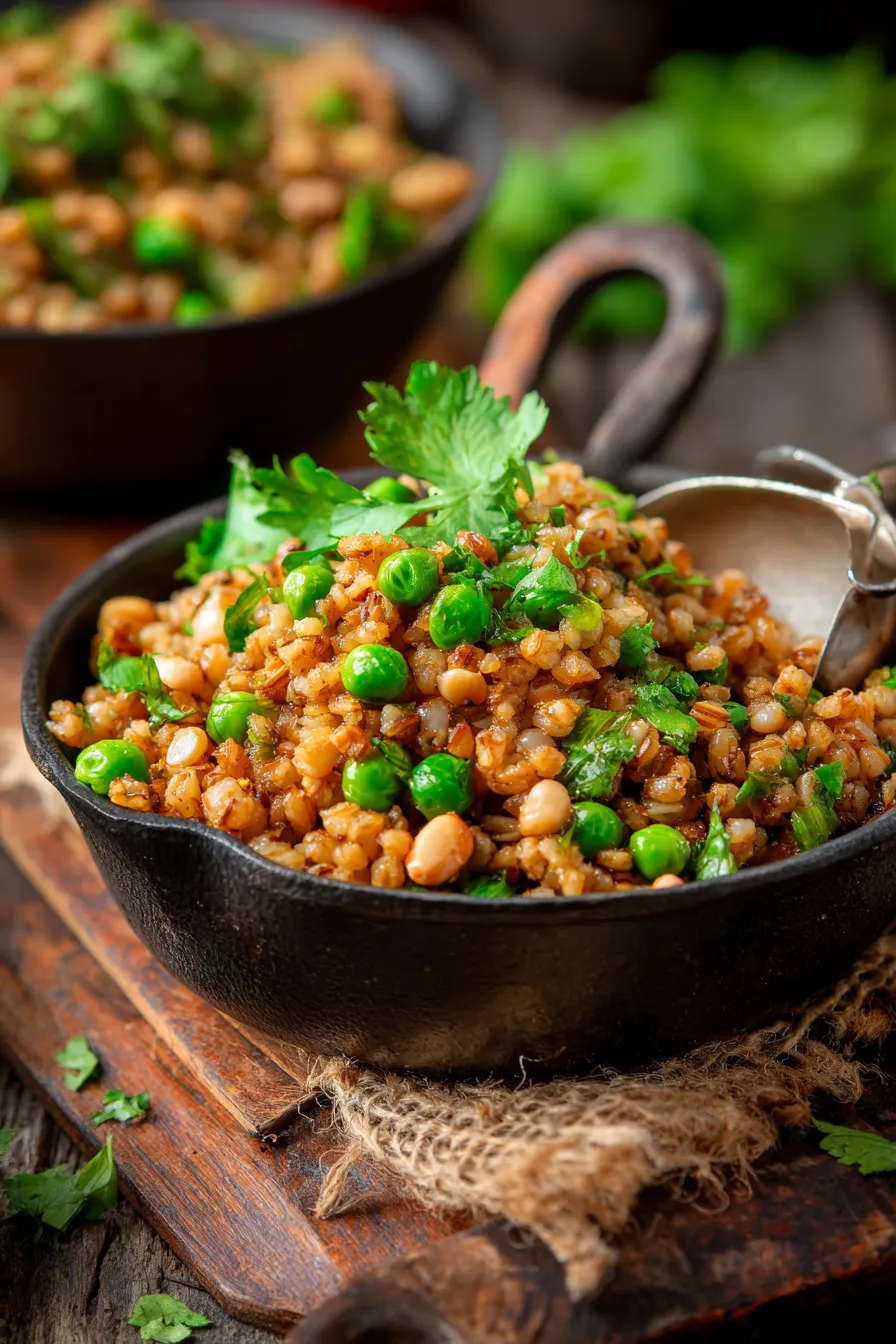
You only need a few simple pantry staples for this recipe! Most of these can be found in any well-stocked grocery store or Indian specialty market. Check the full printable recipe card below for detailed measurements and a complete list.
Expert Tips
💡 Master your Gluten-Free Buckwheat Khichdi with these pro tips:
- Rinse Buckwheat and Dal Thoroughly: Before cooking, always rinse the buckwheat groats (kasha) and moong dal several times under cold running water until the water runs clear. This removes any starch or impurities, preventing the khichdi from becoming too sticky and ensuring a cleaner flavor profile. It also helps with better digestion.
- Perfect Tempering (Tadka): The “tadka” (tempering) is crucial for building the flavor base. Ensure your ghee or oil is hot but not smoking before adding cumin seeds. Let them sizzle and turn fragrant, then add ginger and green chilies. Don’t rush this step, as it extracts maximum aroma and flavor from the spices.
- Use the Right Water Ratio: The ideal water-to-buckwheat/dal ratio is key for a perfectly cooked khichdi – not too dry, not too soupy. Generally, a 1:3 ratio of total grains (buckwheat + dal) to water works well. Adjust slightly based on desired consistency and type of buckwheat used (roasted vs. unroasted).
- Don’t Overcook the Buckwheat: Buckwheat cooks relatively quickly. Overcooking can make it mushy. Keep an eye on it and remove from heat once the grains are tender but still have a slight chew. Stirring too much during cooking can also break down the grains and lead to a gummy texture.
- Rest Before Serving: Just like rice, allowing the khichdi to rest for 5-10 minutes off the heat, covered, helps the flavors meld and the grains to further absorb any remaining moisture. This results in a fluffier, more cohesive texture. It also ensures even distribution of heat throughout the dish.
- Garnish Generously: A fresh garnish elevates the dish significantly! Fresh cilantro, a dollop of ghee, a squeeze of lemon juice, or even a sprinkle of garam masala just before serving adds bright, contrasting flavors and a lovely visual appeal. These fresh elements cut through the richness and add complexity.
- Adjust Spice Levels: This recipe calls for a moderate level of spice. If you prefer milder flavors, reduce the green chilies or omit them entirely. For an extra kick, add a pinch of red chili powder along with the turmeric, or use a spicier variety of green chili. Always taste and adjust as you go.
- Pre-soaking Dal (Optional but Recommended): While moong dal cooks relatively fast, soaking it for 15-20 minutes beforehand can reduce cooking time and make it even easier to digest. If you have the time, this small step makes a big difference in the final texture of the khichdi.
Variations & Substitutions
Get creative in the kitchen with these easy modifications:
- Vegetable Boost: Add finely diced carrots, green beans, spinach, or bell peppers along with the potatoes for extra nutrients and color. Add them at the same time as the potatoes so they cook through.
- Spice It Up: For more heat, add an extra green chili or a pinch of red chili powder. A dash of garam masala at the end provides an authentic Indian spice blend aroma.
- Lentil Swap: While moong dal is traditional, you can experiment with other quick-cooking dals like masoor dal (red lentils) for a different texture and flavor profile.
- Vegan Option: Easily make this khichdi vegan by substituting ghee with your favorite plant-based oil (like coconut oil or a neutral vegetable oil). The flavor will be slightly different but still delicious.
- Nutty Crunch: For added texture, consider toasting a few cashews or peanuts in the tadka oil before adding the spices. It provides a lovely crunch and richness.
- Keto-Friendly Adjustments: While buckwheat is not strictly keto, in moderation, some might incorporate it. For a stricter keto version, you would need to replace buckwheat with a very low-carb alternative like cauliflower rice or a mix of nuts and seeds, but this would dramatically change the dish from traditional khichdi.
Storage & Freezing
This Gluten-Free Buckwheat Khichdi is fantastic for meal prep! Here’s how to keep it fresh:
- Refrigeration: Store any leftover khichdi in an airtight container in the refrigerator for up to 3-4 days. It makes for a super quick and easy breakfast or lunch throughout the week.
- Reheating: To reheat, simply place the khichdi in a microwave-safe bowl with a splash of water or vegetable broth (about 1-2 tablespoons per serving) to prevent it from drying out. Heat until warmed through, stirring occasionally. You can also reheat it on the stovetop over low heat, adding water as needed.
- Freezing: Khichdi freezes surprisingly well! Allow it to cool completely, then portion it into freezer-safe containers. It can be frozen for up to 2-3 months.
- Thawing & Reheating from Frozen: Thaw overnight in the refrigerator, then reheat as directed above. Alternatively, you can reheat it directly from frozen in a microwave or on the stovetop, adding a bit more liquid and stirring more frequently. The texture might be slightly softer after freezing, but the flavor will still be wonderful.
FAQ
What is buckwheat? Is it a grain?
Buckwheat is actually a “pseudo-cereal,” meaning it’s not a true grain like wheat or rice, but it’s used in similar ways. It’s the seed of a flowering plant and is naturally gluten-free. It’s renowned for its high protein content, fiber, and various minerals, making it a superfood in many cultures. It comes in different forms, often as groats (whole or crushed), which are commonly called kasha when roasted.
Can I use unroasted buckwheat groats (kasha) for this recipe?
Yes, you absolutely can! The recipe typically refers to roasted buckwheat groats, often labeled as kasha, which have a nuttier, more intense flavor. Unroasted buckwheat will have a milder, earthier taste and might require slightly less cooking time. Adjust your water slightly if using unroasted, as it absorbs water a bit differently. Both varieties will yield a delicious khichdi, so use what you prefer or have on hand.
Is this khichdi suitable for weight loss?
Yes, it can be an excellent addition to a weight-loss diet! This Gluten-Free Buckwheat Khichdi is high in protein and fiber, which helps promote satiety and keeps you feeling full, reducing the likelihood of overeating. Buckwheat also has a lower glycemic index compared to many traditional grains, helping to manage blood sugar levels. Keep portion sizes in check and focus on lean additions to maximize its benefits.
What can I serve with Buckwheat Khichdi?
Khichdi is a complete meal on its own, but it pairs wonderfully with a few simple accompaniments. A dollop of plain yogurt (or dairy-free yogurt), a side of fresh pickle (achar), or some cooling raita (yogurt with cucumber and spices) are classic choices. A simple green salad or a fresh tomato and onion relish also complements its flavors beautifully. Don’t forget a drizzle of extra ghee for richness!
Conclusion
There you have it – a truly special recipe for Gluten-Free Buckwheat Khichdi that’s as nourishing as it is delicious. Whether you’re seeking a high-protein breakfast, a comforting lunch, or an easy dinner, this Indian-inspired dish is sure to become a cherished favorite in your kitchen. Don’t forget to Pin this recipe for later and share your creations with me!
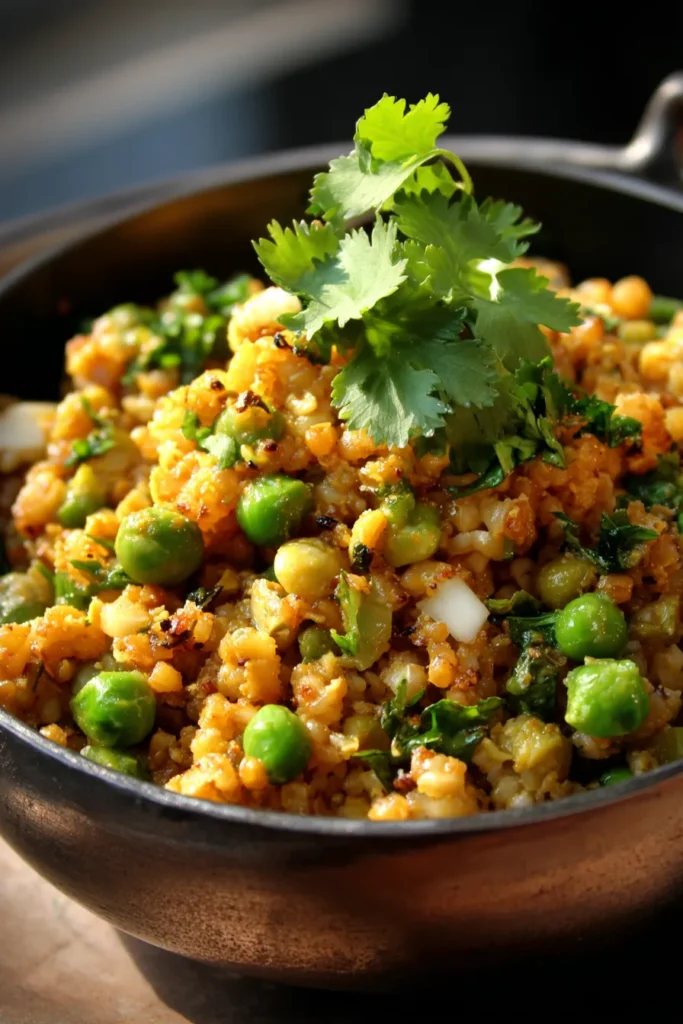
High-Protein Gluten-Free Buckwheat Khichdi | Indian Breakfast
Ingredients
- 1 cup roasted buckwheat groats (kasha), rinsed
- 1/2 cup yellow moong dal (split yellow lentils), rinsed
- 3 tablespoons ghee or oil
- 1 teaspoon cumin seeds
- 1/2 inch ginger, grated or finely minced
- 1-2 green chilies, slit (adjust to taste)
- 1/4 teaspoon asafoetida (hing, optional, but aids digestion)
- 1/2 teaspoon turmeric powder
- 1/4 teaspoon red chili powder (optional)
- 1 cup mixed vegetables (diced potato, carrots, peas), optional
- 3-4 cups hot water (adjust for desired consistency)
- Salt to taste
- Fresh cilantro, chopped, for garnish
- Lemon wedges, for serving
Instructions
- Step 1 Combine rinsed buckwheat groats and moong dal. Set aside.
- Step 2 Heat ghee or oil in a heavy-bottomed pot or Dutch oven over medium heat. Add cumin seeds and let them sizzle until fragrant and light golden. Add grated ginger and green chilies. Sautu00e9 for 30 seconds until aromatic.
- Step 3 Stir in asafoetida (if using), turmeric powder, and red chili powder (if using). Cook for 10-15 seconds, being careful not to burn the spices.
- Step 4 Add the mixed vegetables (if using) and cook for 2-3 minutes, stirring occasionally.
- Step 5 Add the combined buckwheat and moong dal to the pot. Stir well to coat the grains with the spices. Sautu00e9 for 1-2 minutes.
- Step 6 Pour in the hot water and add salt to taste. Bring the mixture to a boil. Once boiling, reduce the heat to low, cover the pot, and simmer for 15-20 minutes, or until the buckwheat and dal are tender and most of the water has been absorbed.
- Step 7 Remove from heat and let it rest, covered, for 5-10 minutes. This allows the flavors to meld and the khichdi to settle.
- Step 8 Fluff gently with a fork. Garnish generously with fresh cilantro and serve hot with a squeeze of lemon juice, a dollop of yogurt, or pickle.